Volledige buisvormige klinknagels
Als een van de professionele fabrikanten van volledige buisvormige klinknagels van hoge kwaliteit, kunt u er zeker van zijn dat u volledige buisvormige klinknagels van Nuote Metals koopt en wij bieden u de beste after-sales service en tijdige levering.
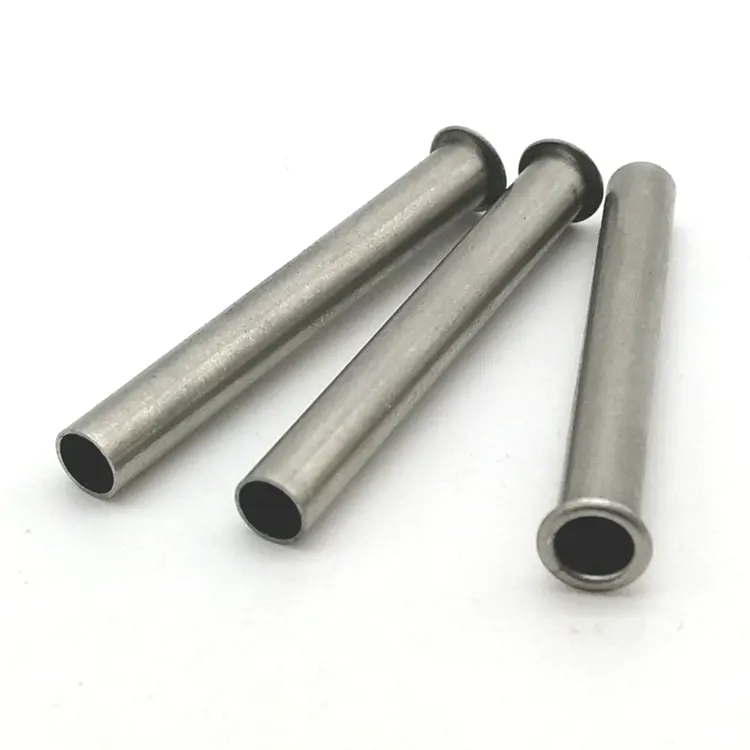
Volledige buisvormige klinknagels worden ook wel holle klinknagels of buisvormige klinknagels genoemd. Ze zijn een veel voorkomende mechanische sluiting, voornamelijk gebruikt in toepassingen die lichtgewicht of ventilatie vereisen. Hun structurele kenmerken zijn een volledig hol centrum met koppen aan elk uiteinde, waardoor verbinding wordt bereikt door plastische vervorming. Ze worden veel gebruikt in de elektronica, de automobielindustrie, de lucht- en ruimtevaart en andere gebieden en zijn favoriet vanwege hun unieke structurele ontwerp.
Wat is een holle klinknagel?
A full buisvormige klinknagel bestaat uit een schacht en een kop. De schacht heeft een doorgaand gat in het midden en de kop is meestal rond of ovaal. Tijdens de installatie wordt de klinknagel door de te verbinden materialen gestoken en wordt de staart uitgezet met behulp van een gespecialiseerd gereedschap om een nieuwe kop te vormen, waardoor de materialen aan elkaar worden bevestigd. Vanwege het holle midden behouden volledige buisvormige klinknagels de ventilatie of vloeistofgeleiding na verbinding, wat het belangrijkste verschil is met massieve klinknagels.
Van welke materialen kunnen volledige buisvormige klinknagels worden gemaakt? Wat zijn de kenmerken van verschillende materialen?
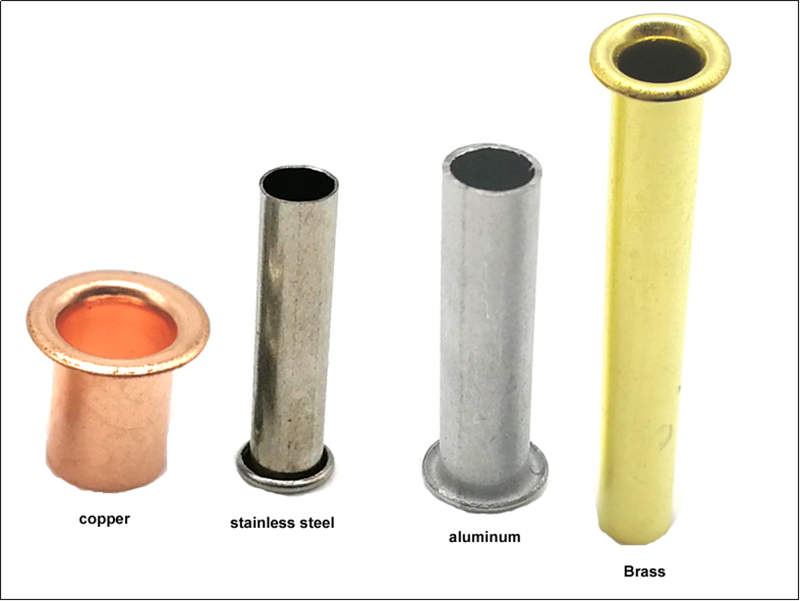
volledige buisvormige klinknagels zijn gemaakt van een verscheidenheid aan materialen, waarbij aluminiumlegeringen, roestvrij staal en koper gebruikelijk zijn.
Aluminium buisvormige klinknagels zijn lichtgewicht en corrosiebestendig, waardoor ze geschikt zijn voor elektronische producten en lichtgewicht constructies. Het zijn de meest kosteneffectieve klinknagels.
Roestvrijstalen buisvormige klinknagels zijn sterk en hittebestendig en worden vaak gebruikt in auto's en industriële apparatuur. Ze zijn duurder dan holle aluminium klinknagels.
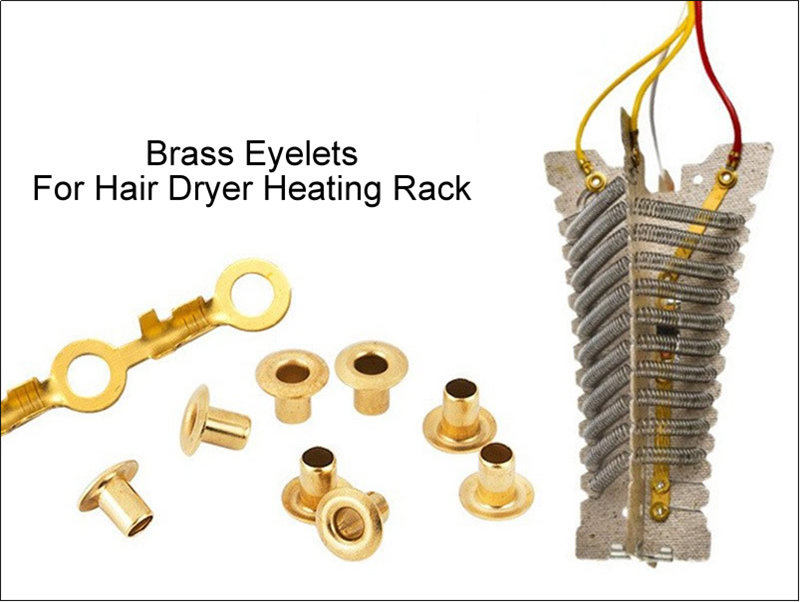
Messing buisvormige klinknagels ofkoperen buisvormige klinknagels hebben een goede geleiding en worden meestal gebruikt voor elektrische verbindingen. Het nadeel is dat ze relatief duur zijn.
Bij het selecteren van materialen moet rekening worden gehouden met factoren zoals de gebruiksomgeving, stressomstandigheden en kosten.
Installatiemethode van volledige buisvormige klinknagels
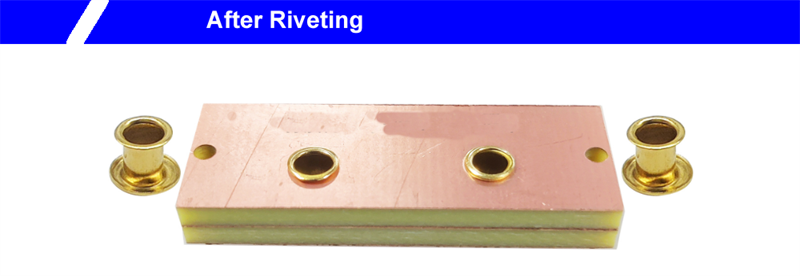
Voor het plaatsen van holle klinknagels zijn speciale gereedschappen nodig, zoals handmatige klinkmachines of volautomatische montagemachines.
De bedieningsstappen zijn als volgt:
(1) Boor een gat in het te verbinden materiaal, waarbij de gatdiameter iets groter is dan de klinknageldiameter.
(2) Steek de klinknagel in het gat en zorg ervoor dat de kop zich dicht bij het oppervlak van het materiaal bevindt.
(3) Lijn het klinknagelgat uit met de bijpassende stempel (de stempel is op de klinkmachine geïnstalleerd). (4) Schud de klinknagelmachine zodat de staart van de klinknagel wordt geraakt door externe kracht en opkrult, waardoor dezelfde boog ontstaat als de kop, waardoor de bevestigingsfunctie wordt bereikt.
Voordelen van volledige buisvormige klinknagels
(1) Lichtgewicht: de holle structuur vermindert de hoeveelheid gebruikt materiaal en is geschikt voor gewichtsgevoelige toepassingen.
(2) Goede luchtdoorlaatbaarheid: het doorlopende gat in het midden kan worden gebruikt voor ventilatie of omleiding om afdichtingsproblemen te voorkomen.
(3) Eenvoudige installatie: er is slechts bediening aan één kant vereist, wat geschikt is voor smalle ruimtes of gelegenheden waarbij de achterkant niet toegankelijk is.
(4) Lage kosten: Vergeleken met lassen of vastschroeven is het klinkproces eenvoudig, waardoor tijd en mankracht wordt bespaard.
Nadelen van volledige buisvormige klinknagels
(1) Beperkte sterkte: De holle structuur leidt tot een zwakke trek- en schuifweerstand, wat niet geschikt is voor scenario's met hoge belasting.
(2) Niet-verwijderbaar: Eenmaal geïnstalleerd, is de klinknagel meestal niet herbruikbaar en zal demontage de verbinding beschadigen.
(3) Vereisten voor materiaaldikte: Te dunne of te dikke materialen kunnen het klinkeffect beïnvloeden.
Wat zijn de belangrijkste toepassingen van buisvormige klinknagels?
(1) Elektronische producten: zoals computerbehuizingen, radiatoren, enz., die profiteren van hun lichtgewicht en luchtdoorlatendheid.
(2) Automobielproductie: gebruikt voor niet-dragende onderdelen zoals interieurpanelen en kabelboombevestigingen.
(3) Lucht- en ruimtevaart: verminder het gewicht en voldoe tegelijkertijd aan bepaalde ventilatiebehoeften.
(4) Meubelmontage: verbind metalen of kunststof onderdelen en vereenvoudig het installatieproces.
Vergelijking tussen buisvormige klinknagels en andere klinknagels
(1) Vergeleken metstevige klinknagels: volledig buisvormige klinknagels zijn lichter en ademend, maar hebben een lagere sterkte.
(2) Vergeleken metsemi-buisvormige klinknagels: de staart van semi-buisvormige klinknagels is gedeeltelijk hol, met een iets hogere sterkte, maar de ventilatie is niet zo goed als die van volledig holle klinknagels.
(3) Vergeleken met blindklinknagels: bij blindklinknagels blijft de doorn achter na installatie, terwijl de doorn bij volledig holle klinknagels volledig loskomt, waardoor de verbinding netter wordt.
Suggesties voor de aanschaf van volledige buisvormige klinknagels
(1) Selecteer klinknagels met de juiste lengte, afhankelijk van de dikte van het materiaal, om ervoor te zorgen dat ze na installatie volledig kunnen uitzetten.
(2) Houd rekening met de gebruiksomgeving. Voor vochtige of hoge temperaturen moeten bijvoorbeeld corrosiebestendige of hoge temperatuurbestendige materialen worden geselecteerd.
(3) Voordat u het in bulk koopt, kunt u het eerst uitproberen om het klinkeffect en de compatibiliteit van het gereedschap te bevestigen.
Onderhoud en voorzorgsmaatregelen voor volledige buisvormige klinknagels
(1) Vermijd overmatige kracht tijdens de installatie om vervorming van de klinknagel of materiële schade te voorkomen.
(2) Controleer regelmatig de verbindingsonderdelen en vervang ze op tijd als ze los zitten of verroest zijn.
(3) Houd ze tijdens opslag uit de buurt van vocht om oxidatie van het klinknageloppervlak te voorkomen, wat het gebruik ervan beïnvloedt.
Als praktische connector hebben volledig buisvormige klinknagels onvervangbare voordelen in specifieke scenario's. Als u hun kenmerken en toepassingsmethoden begrijpt, kunt u ze op een redelijke manier kiezen en gebruiken bij daadwerkelijke werkzaamheden, waardoor de werkefficiëntie en de verbindingskwaliteit worden verbeterd.
Producten
- View as
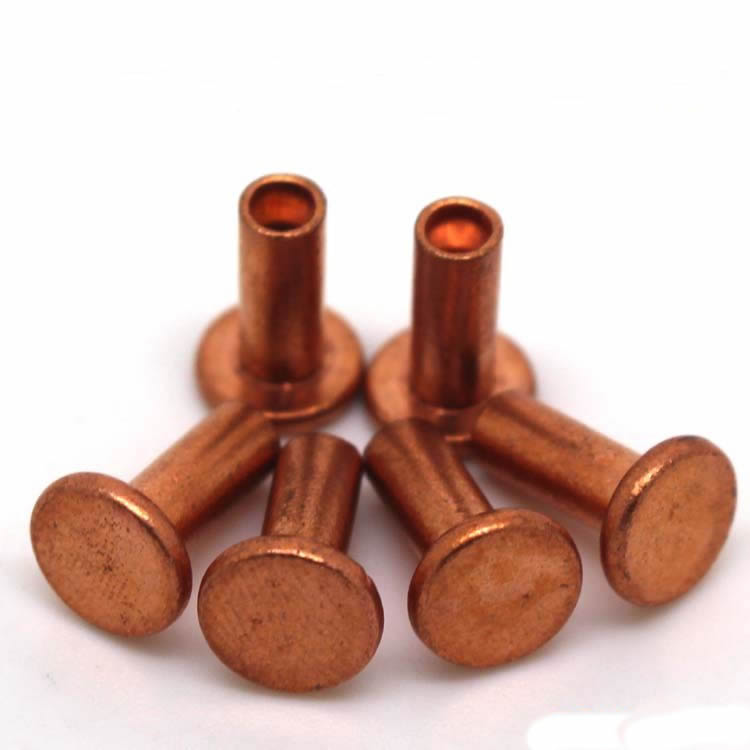
Koperen pijpklinknagels
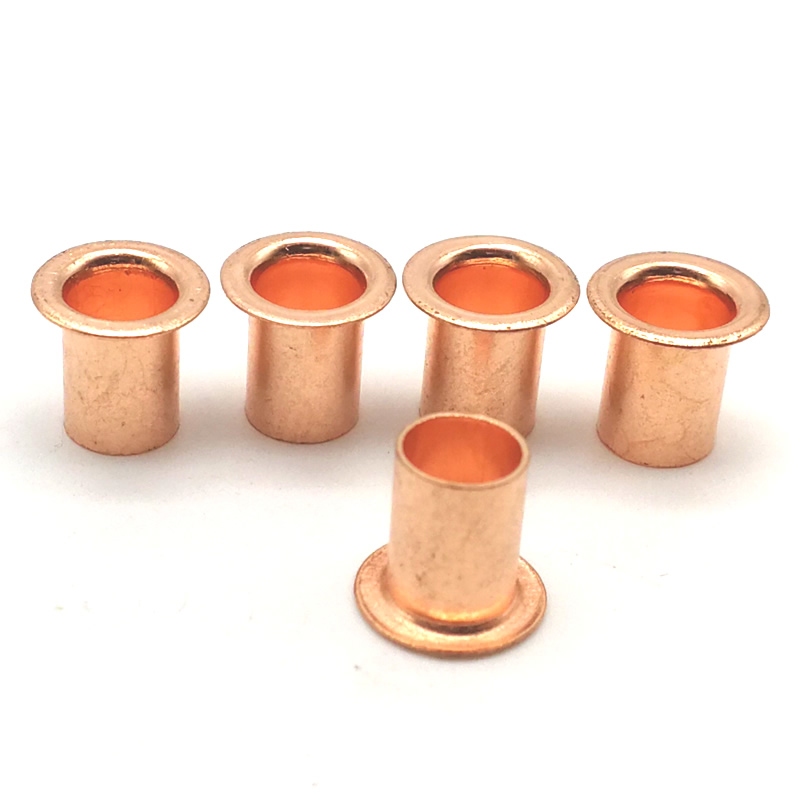
Nuote Metals levert koperen pijpklinknagels – holle bevestigingsmiddelen gemaakt van echt C11000 koperen buismateriaal, op lengte gesneden met aan één uiteinde een kop. Ook wel koperen holle klinknagels genoemd. Het enige holle bevestigingsmiddel dat 100% IACS elektrische geleidbaarheid, 401 W/m·K thermische geleidbaarheid en natuurlijke antimicrobiële eigenschappen levert – alles in één component. Verkrijgbaar in schachtdiameters van 1,0–10 mm.
Lees verderStuur onderzoek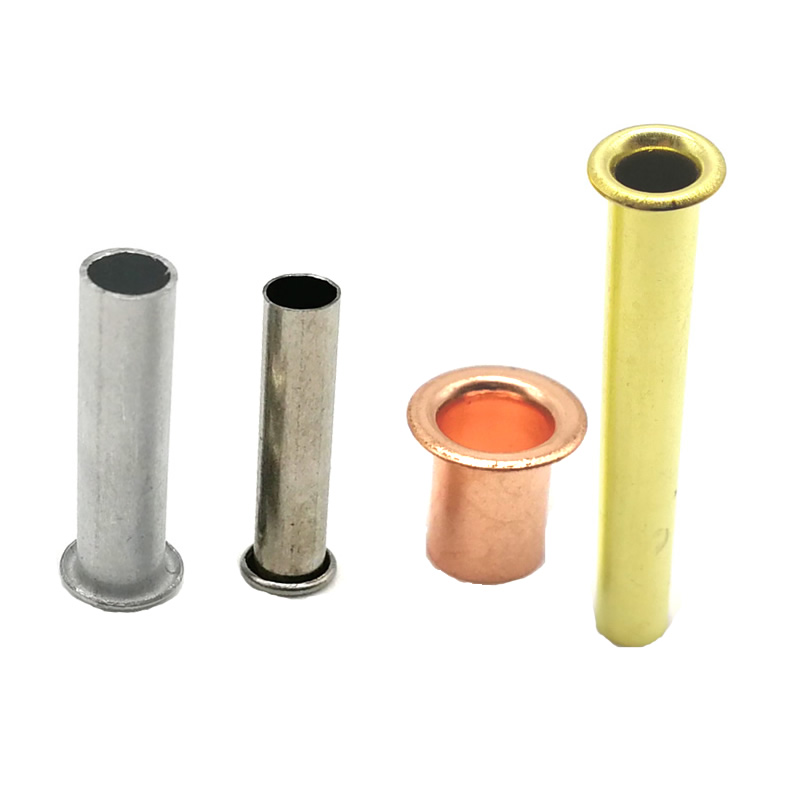
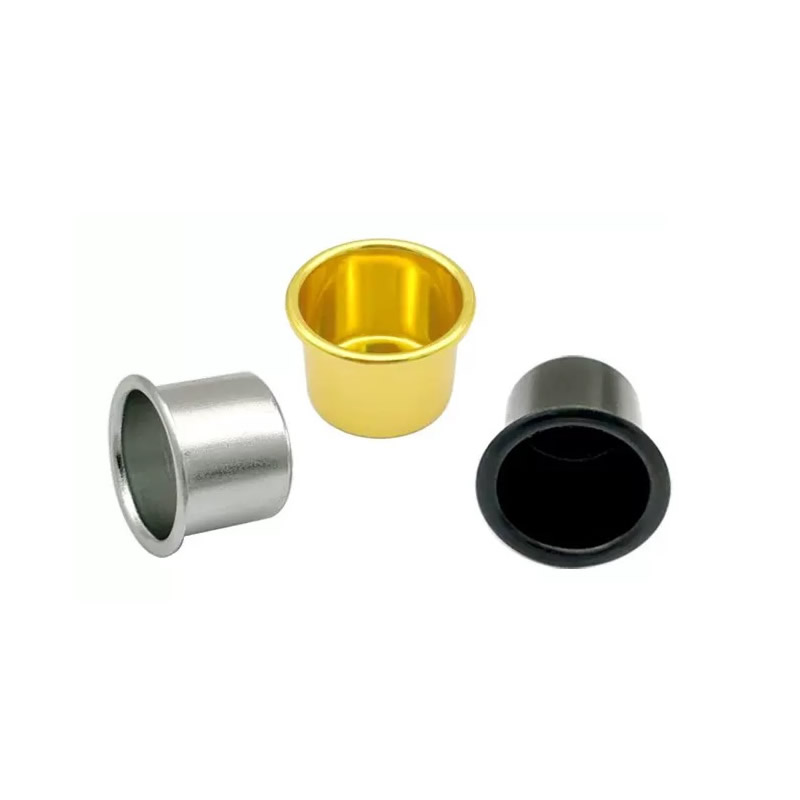
Volledige holle klinknagels
Nuote Metals levert volledig holle klinknagels – de holste klinknagel in ons assortiment, met een schacht die van begin tot eind volledig hol is. Met een kracht van 15–20% van de zetkracht van massieve klinknagels zijn dit de permanente bevestigingsmiddelen met de laagste kracht die u kunt specificeren. Verkrijgbaar in schachtdiameters van 0,8–10 mm, koolstofstaal, roestvrij staal, messing, koper en aluminium. ISO 9001 gecertificeerd.
Lees verderStuur onderzoek
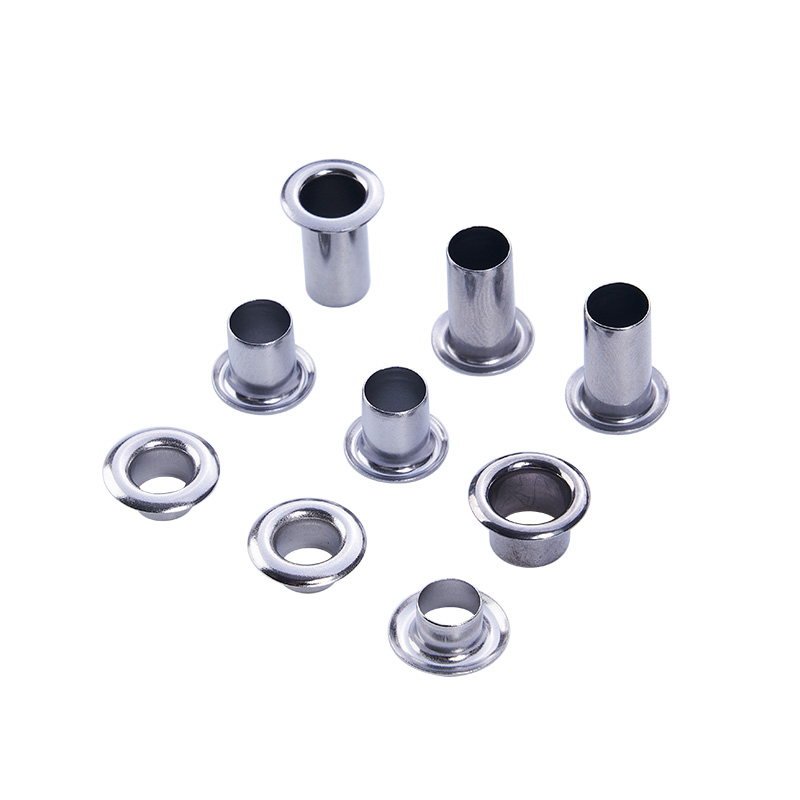
Aluminium holle klinknagels
Holle klinknagels van aluminium zijn een soort veelgebruikt bevestigingsmiddel. Ze worden op veel gebieden veel gebruikt vanwege hun lichte gewicht, corrosieweerstand en goede elektrische geleidbaarheid. Nuote Metals produceert en verkoopt aluminium holle klinknagels in China, we hebben meer dan 10 jaar werkervaring in deze branche.
Lees verderStuur onderzoek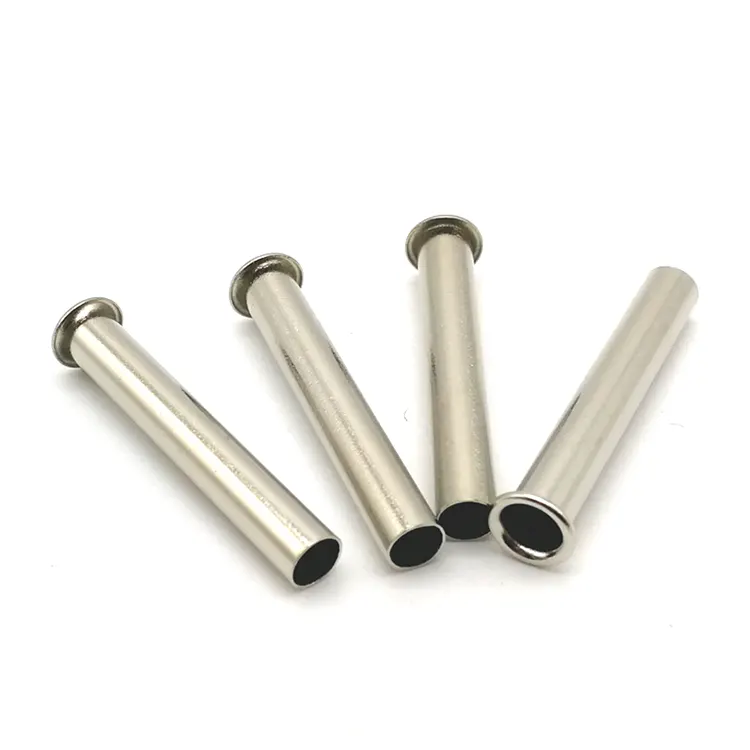
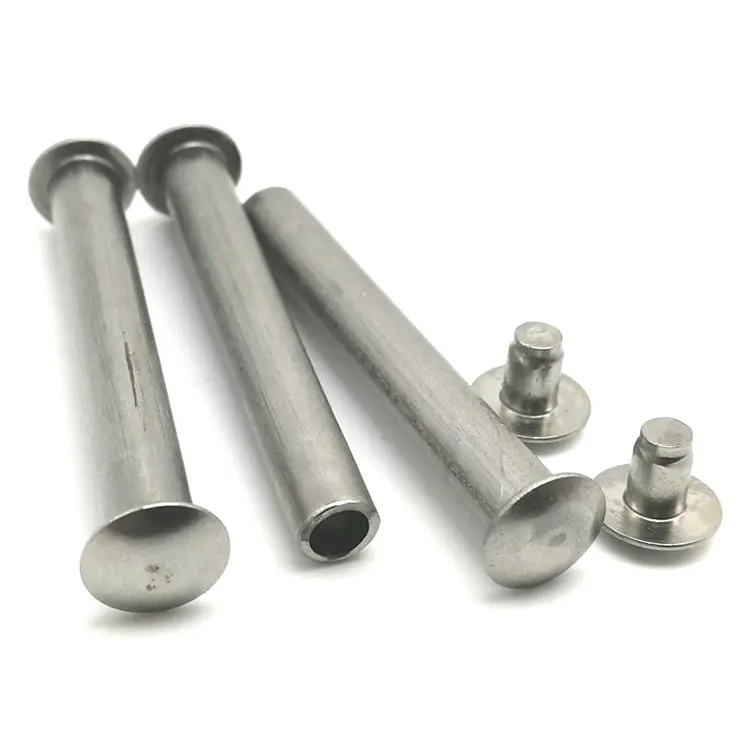
Stalen buisklinknagels
Stalen buisklinknagels zijn een soort metalen bevestigingsmiddel dat verbinding tot stand brengt door middel van stempelvervorming. Ze bestaan uit een holle buisvormige staaf en een eindkap en behoren tot de categorie holle bevestigingsmiddelen op het gebied van machinebouw. Nuote Metals biedt dit soort stalen buisklinknagels al meer dan 10 jaar aan in Dongguan, China. Welkom om ons uw ontwerp te sturen.
Lees verderStuur onderzoek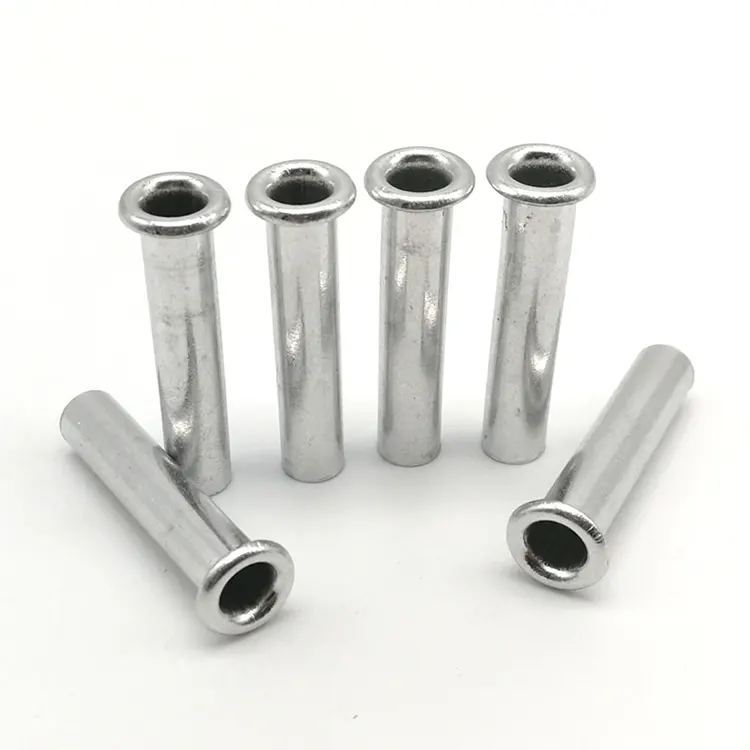
Stalen holle klinknagels
Nuote Metals is gespecialiseerd in de productie van stalen holle klinknagels. Wij zijn gevestigd in Dongguan, China. Er zijn twee hoofdtechnieken voor het produceren van holle ijzeren klinknagels. Eén daarvan is het gebruik van ijzeren buizen, die geschikt zijn voor langere klinknagels. Het nadeel is dat de minimale bestelhoeveelheid relatief hoog is. De andere is het gebruik van dieptrektechnieken. Wij geven passende suggesties over welke technieken te gebruiken op basis van de specifieke omstandigheden van de klant.
Lees verderStuur onderzoek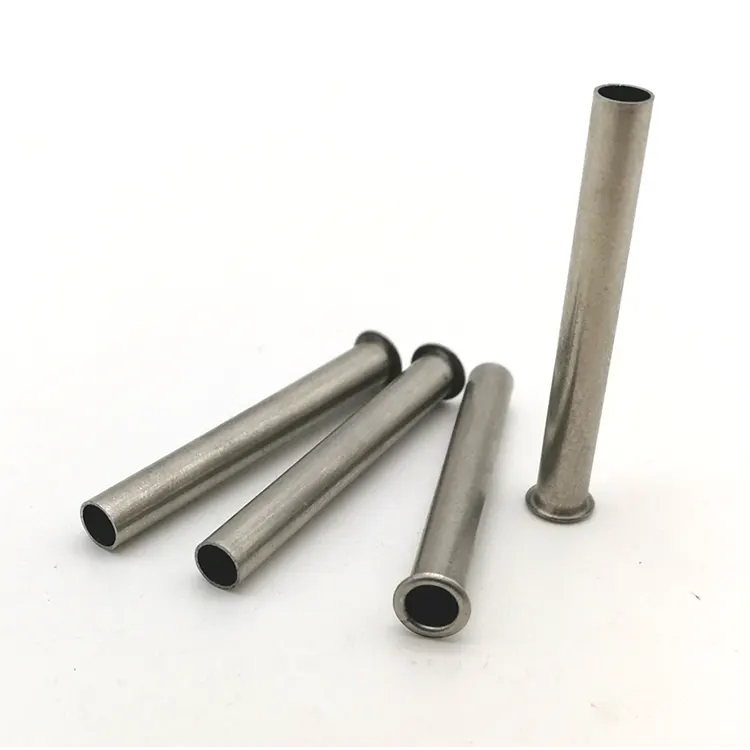
Roestvrijstalen buisklinknagels
Nuote Metals produceert roestvrijstalen buisklinknagels in China. Roestvrijstalen buisklinknagels zijn een van de meest gebruikte connectoren. Door het holle ontwerp zijn ze klein van formaat en licht van gewicht, zijn ze bestand tegen hogere druk- en trekbelastingen zonder te breken of te vervormen en hebben ze een goede corrosieweerstand en oxidatiebestendigheid, waardoor ze geschikt zijn voor gebruik in diverse omgevingen.
Lees verderStuur onderzoek
De professionele fabrikant en leverancier van China Volledige buisvormige klinknagels, we hebben een eigen fabriek. Onze Volledige buisvormige klinknagels staan bekend om hun duurzaamheid en uitstekende afwerking, en we bedienen diverse industrieën met betrouwbare metalen componenten.



X
We gebruiken cookies om u een betere browse-ervaring te bieden, het siteverkeer te analyseren en de inhoud te personaliseren. Door deze site te gebruiken, gaat u akkoord met ons gebruik van cookies.
Privacybeleid