Stempelen
Notin invites you to visit our factory to purchase the newest, best-selling, affordable, and high-quality Stamping Parts. We are looking forward to working with you.
What are stamping parts?
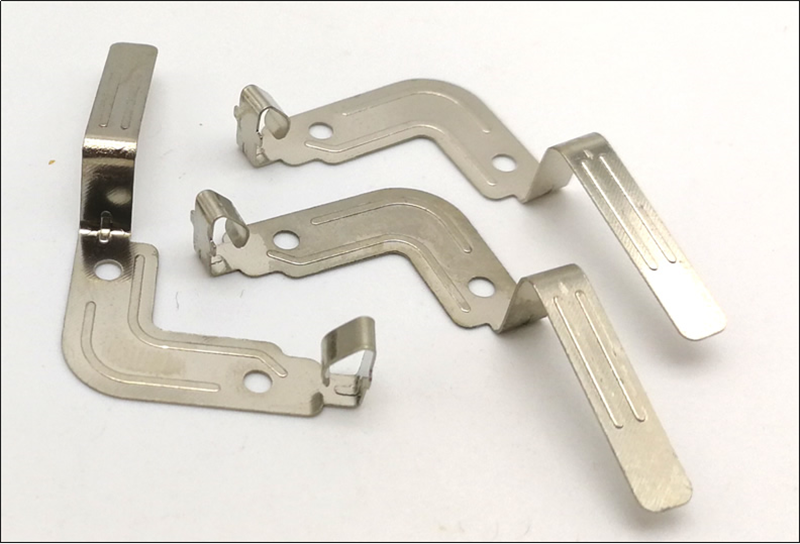
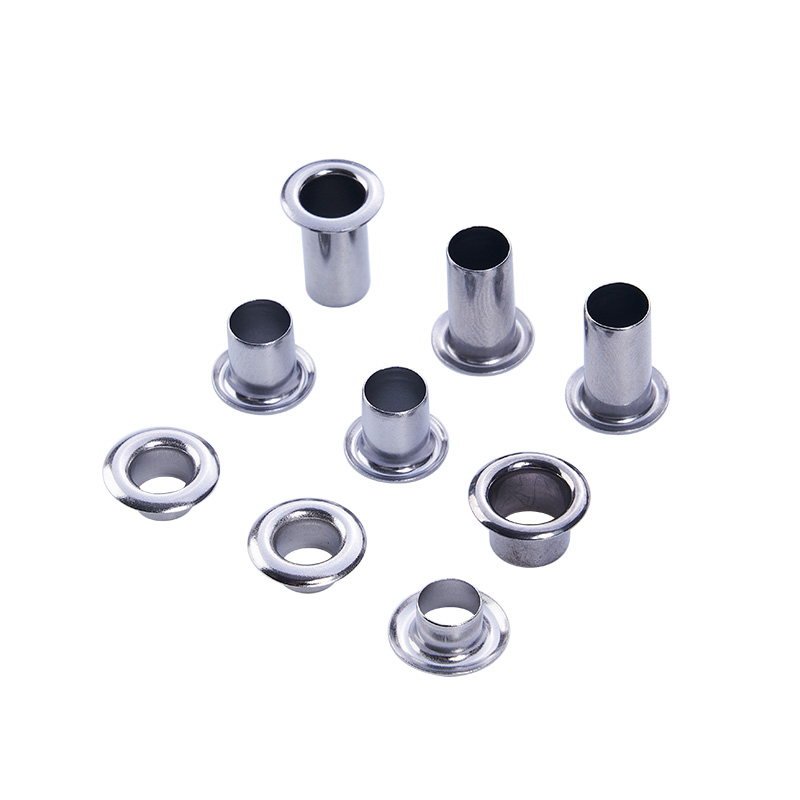
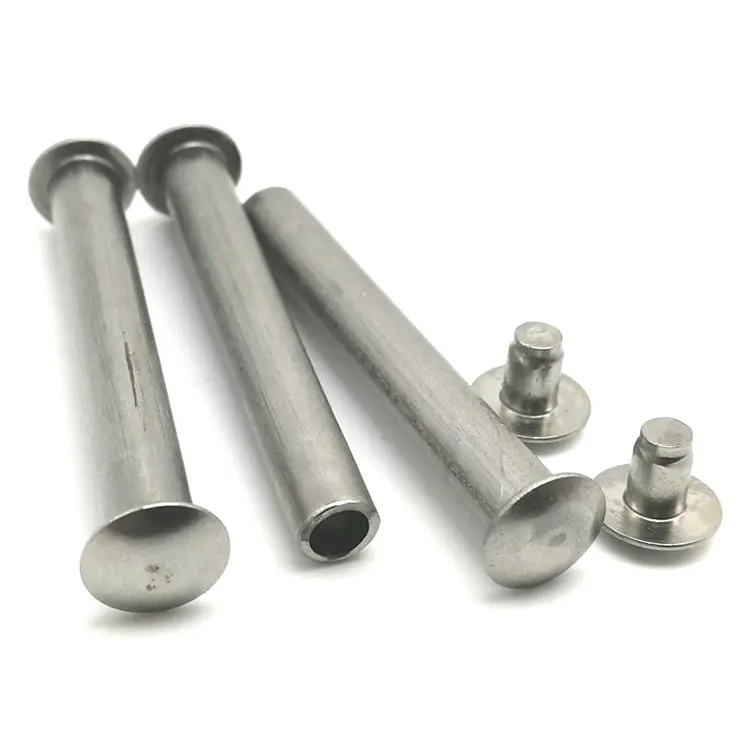
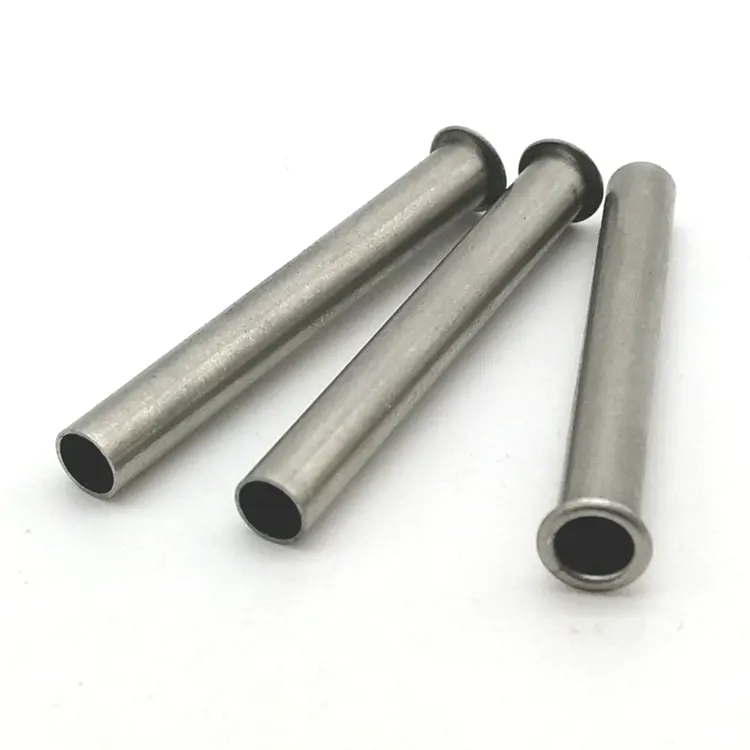
stamping parts are metal parts manufactured through a stamping process, using dies and presses to shear, bend, and stretch sheet metal (such as steel, aluminum, or copper) to form the desired shape. The core characteristics of this process are high efficiency and precision. Stamping can be categorized into two main types: separation processes (such as punching and blanking) and forming processes (such as drawing and flanging), to meet different structural requirements.
What are the main characteristics of stamping parts?
1. Compared to casting and forging, stamping parts are thinner, more uniform, lighter, and stronger. Stamping can produce workpieces with ribs, ribs, corrugations, or flanging that are difficult to create using other methods to increase rigidity.
2. Due to the use of dies, workpiece precision can reach micron levels, with high repeatability and consistent specifications, including punched holes and bosses. Cold stamped parts generally require no or minimal cutting.
3. The precision and surface finish of hot stamped parts are lower than those of cold stamped parts, but still superior to those of castings and forgings, requiring less cutting. 4. Using composite dies, particularly multi-station progressive dies, allows multiple stamping steps to be completed on a single press, achieving automated production from strip uncoiling, leveling, blanking, to forming and finishing.
5. High production efficiency, good working conditions, and low production costs enable the production of hundreds of pieces per minute. Stamping is primarily categorized by process into separating and forming.
6. The surface and internal properties of the stamped sheet material significantly impact the quality of the stamped product, requiring consistent thickness and uniformity of the stamped material.
7. The surface must be smooth, free of scars, scratches, or surface cracks, with uniform yield strength and no apparent directional variation; high uniform elongation; low yield strength; and low work hardening.
Metal Stamping Design Process
Metal stamping is a complex process that may include numerous metal forming steps—blank-cutting, punching, bending, and piercing, among others. Blanking: This process involves cutting the rough outline or shape of the product. This stage is focused on minimizing and avoiding burrs, which increase part cost and extend delivery time. This step is where you determine the hole diameter, geometry/taper, edge-to-hole spacing, and insert the first punch.
Bends: When designing bends in stamped metal parts, it's important to leave enough material—make sure to design your part and its blank so there's enough material to make the bend. Some important factors to keep in mind:
If the bend is too close to the hole, it may deform.
Notches, tabs, and notches should be designed with a width of at least 1.5 times the material thickness. Any smaller and they may become difficult to manufacture due to the forces exerted on the punch, causing them to break.
Each corner in the blank design should have a radius of at least half the material thickness.
To minimize the occurrence and severity of burrs, avoid sharp corners and complex cuts whenever possible. When these factors cannot be avoided, be sure to note the burr direction in the design so that it can be accounted for during stamping.
Coining: This action involves striking the edge of a stamped metal part to flatten or break burrs. This creates a smoother edge in the coined area of the part geometry. It can also add additional strength to localized areas of the part, which can avoid secondary operations such as deburring and grinding.
Producten
- View as
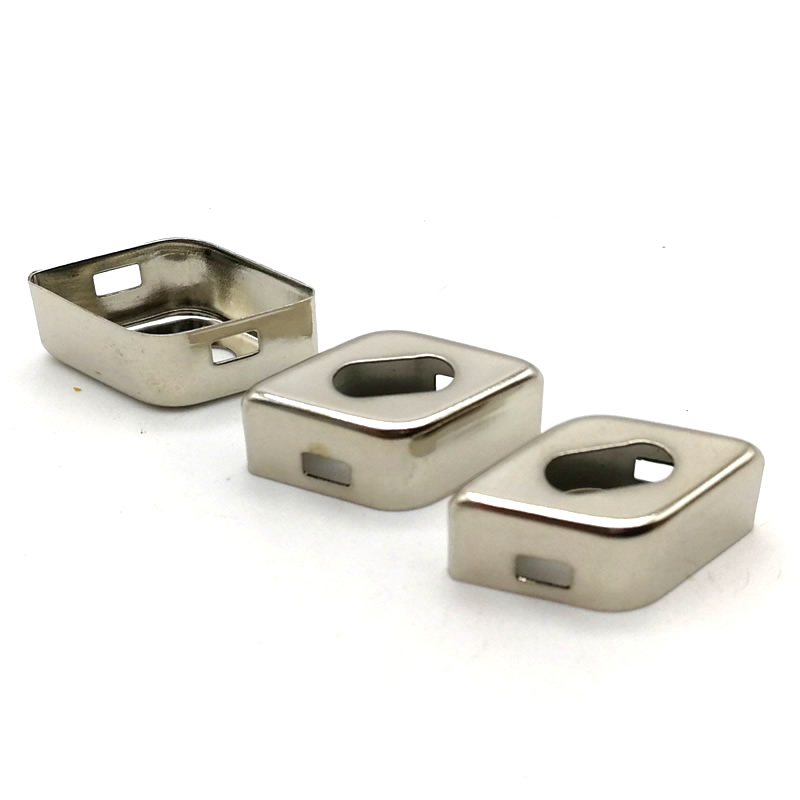
Gestempelde metalen componenten
Vanuit onze fabriek in China produceert Nuote Metals op maat gemaakte metalen componenten voor diverse industrieën: de automobielsector, apparaten, elektronica en hardware. Met behulp van hogesnelheidspersen en precisiematrijzen transformeren we staal, messing, aluminium of roestvrij staal tot complexe, braamvrije onderdelen met nauwe toleranties. Of u nu beugels, clips, terminals of chassis nodig heeft, ons stempelproces garandeert herhaalbaarheid en kostenefficiëntie. Los leveringsinconsistentie en dimensionale afwijkingen op met betrouwbare componenten die op tijd worden geleverd. Vertrouw op ons voor kwaliteit die ervoor zorgt dat uw assemblagelijn soepel blijft draaien.
Lees verderStuur onderzoek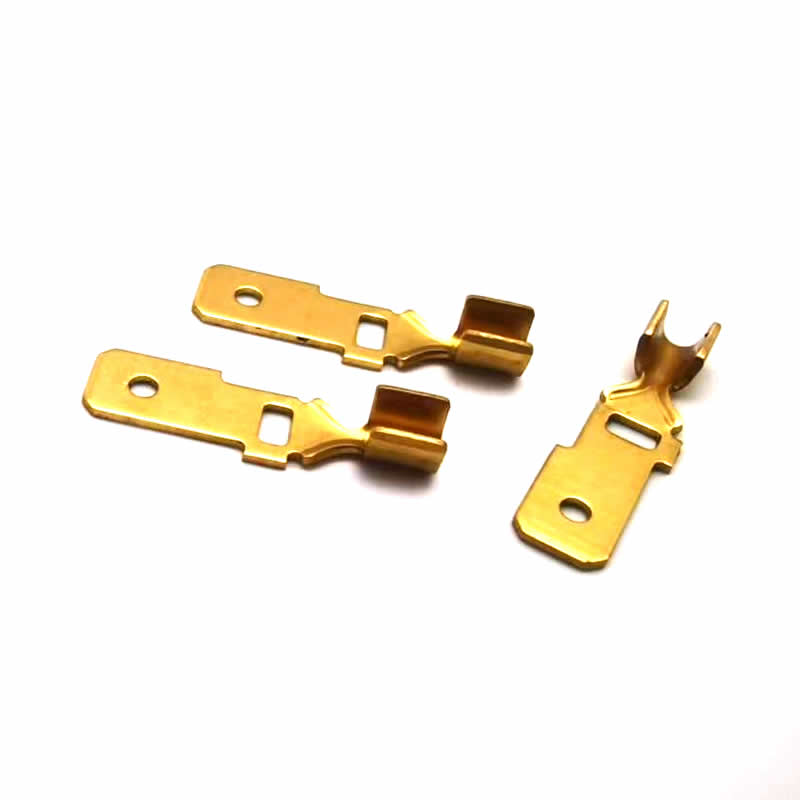
Hoge precisie metaalstempelen
Op zoek naar nauwkeurigheid op micronniveau? Nuote Metals, een Chinese fabriek, levert op maat gemaakte, uiterst nauwkeurige metalen stempels voor complexe componenten in de auto-, elektronica- en medische apparatuur. Onze geavanceerde gereedschappen zorgen voor nauwe toleranties en braamvrije randen, waardoor nabewerking en afval worden geëlimineerd. Of u nu ingewikkelde vormen of consistentie met een hoog volume nodig heeft, ons stempelproces garandeert herhaalbaarheid, onderdeel na onderdeel. Los slechte pasvorm en voortijdige slijtage op met nauwkeurig ontworpen metalen stempels. Vertrouw op ons voor kwaliteit die de kosten verlaagt en de betrouwbaarheid vergroot.
Lees verderStuur onderzoek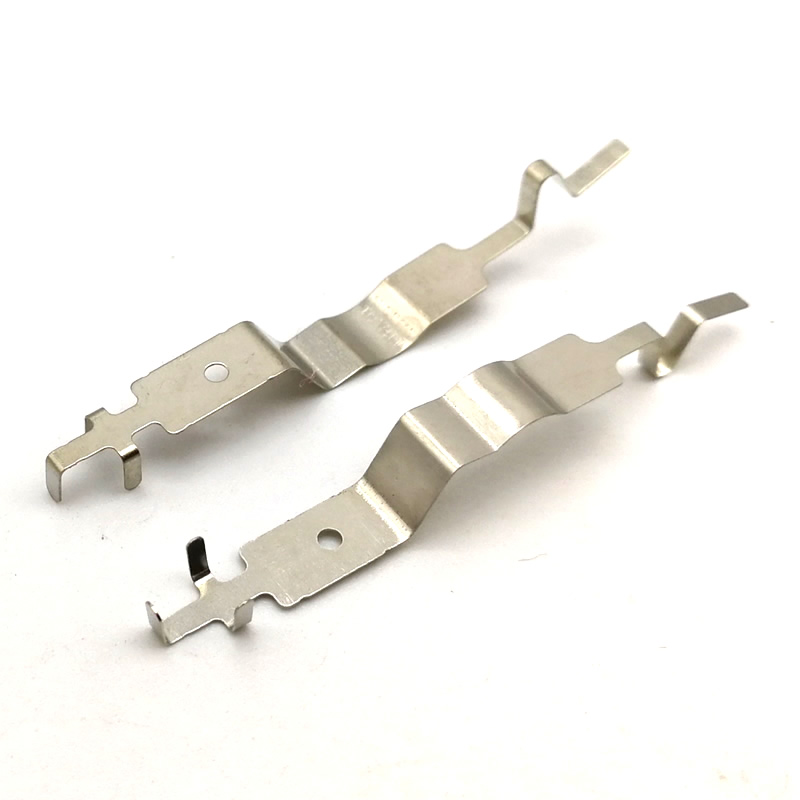
Stempelen van kleine onderdelen
Uit China biedt de fabrikant Nuote Metals op maat gemaakte kleine onderdelen voor elektronica en medische apparaten. Precisiematrijzen creëren kleine componenten met nauwe toleranties. Los miniaturisatie-uitdagingen op betrouwbare wijze op. Vertrouw op de fabrikant voor kwaliteit tot in elk klein detail.
Lees verderStuur onderzoek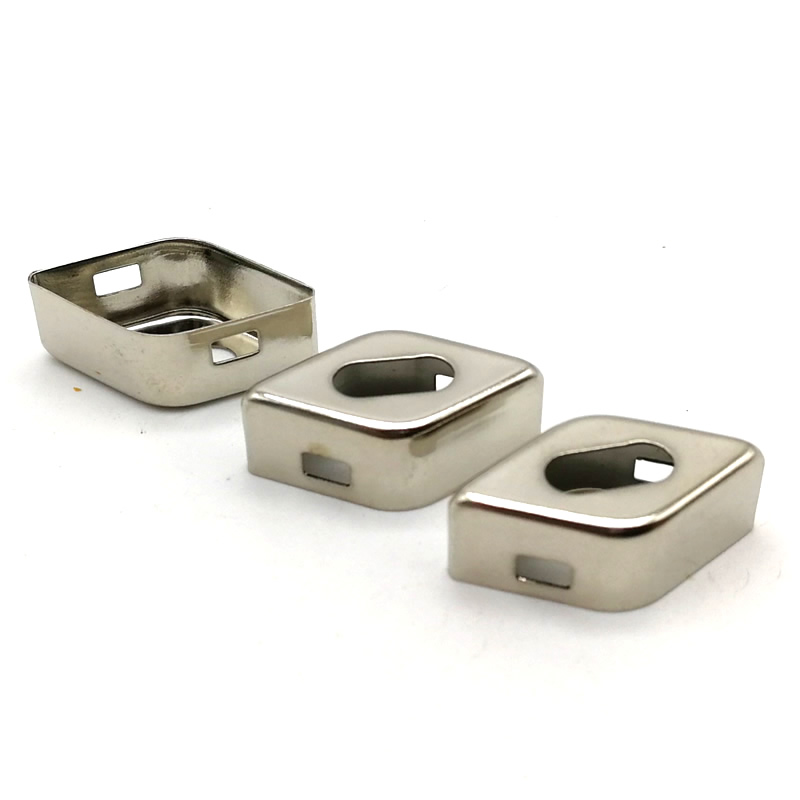
Gestempelde stalen onderdelen
Robuuste, gestempelde stalen onderdelen nodig? Nuote Metals, een Chinese fabriek, biedt op maat gemaakte stalen componenten voor zware machines en constructies. Ons stempelen met een hoog tonnage zorgt voor een consistente dikte en slagvastheid. Los structurele zwakte op met stalen onderdelen die zijn ontworpen voor sterkte. Vertrouw op de fabriek voor duurzame duurzaamheid.
Lees verderStuur onderzoek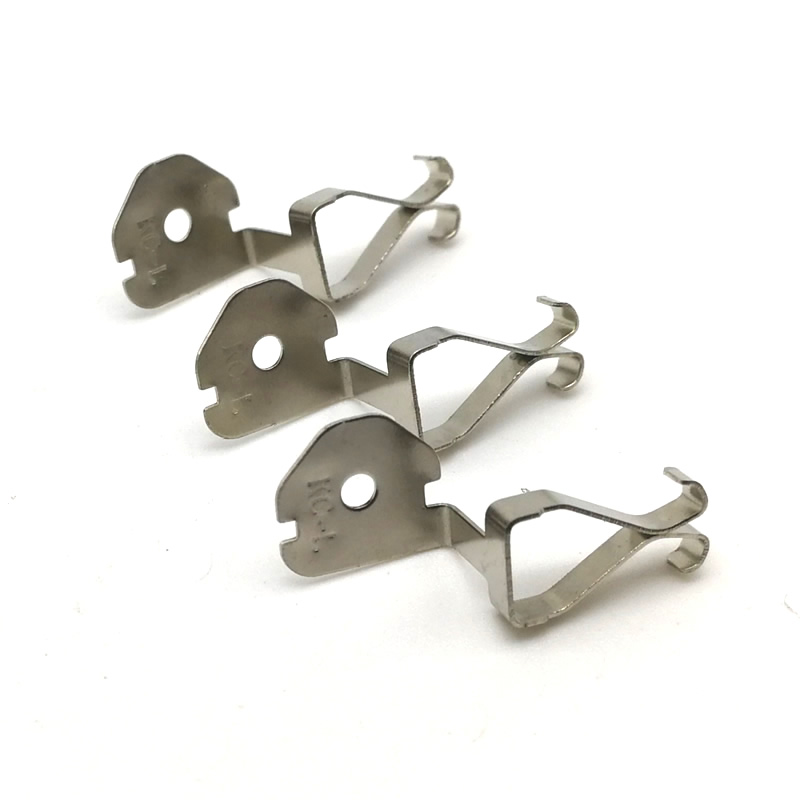
Stempelonderdelen van roestvrij staal
Op zoek naar duurzame roestvrijstalen stansonderdelen? Nuote Metals, een Chinese fabriek, levert op maat gemaakte oplossingen voor auto- en medische apparatuur. Onze precisiestempels zorgen voor roestvrije sterkte en exacte pasvormen. Los problemen met corrosie en slijtage op met onderdelen die lang meegaan. Vertrouw op de fabriek voor kwaliteit die presteert.
Lees verderStuur onderzoek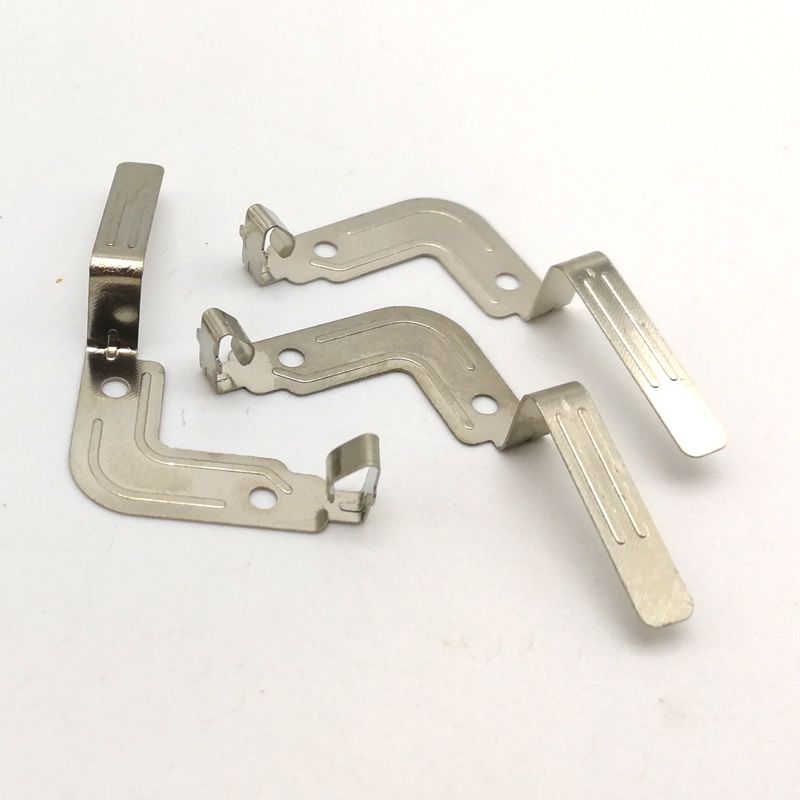
Stempelen met hoge snelheid
Vanuit onze fabriek in China levert Nuote Metals op maat gemaakte hogesnelheidsstempels voor precisieonderdelen. Dit proces zorgt voor een snelle output en nauwe toleranties, waardoor de kosten voor bestellingen in de automobiel- en elektronicasector worden verlaagd. Vertrouw op ons voor een efficiënte productie die uw project in beweging houdt.
Lees verderStuur onderzoekSome important factors to keep in mind:
Plasticity and Grain Direction – Plasticity is a measure of the permanent deformation a material undergoes when subjected to stress. Metals with greater plasticity are more susceptible to forming. Grain direction is important in high-strength materials, such as tempered metals and stainless steel. If bending occurs along a high-strength grain, cracking is more likely.
Bending Deformation/Expansion: Bending deformation causes expansion of up to 1/3 of the material thickness. This deformation/expansion becomes more severe as the material thickness increases and the bend radius decreases. Web and "mismatch" cutting: This involves making very slight indentations or protrusions in the part, typically about 0.1mm deep. This feature is not required when using composite or transfer tools, but it is essential when using progressive dies.
Advantages and Limitations of Stamping
Advantages:
- Low cost: In mass production, the cost per part can be reduced to one-third of that of a cast part;
- High consistency: Dimensional tolerances can be controlled within ±0.1mm;
- High material utilization: Through nesting optimization, the utilization rate can reach over 85%.
Limitations:
- Long mold development cycle and high initial investment, making it unsuitable for large-scale production;
- Complex three-dimensional structures (such as hollow crankshafts) require integration with other processes.
Core Application Areas of Stamping Parts
1. Automotive Industry: Accounts for over 60% of total stamping part demand, including body panels and chassis components;
2. Electronics and Electrical: For example, metal mobile phone frames and heat sinks, thicknesses can be as thin as 0.2mm;
3. Home Appliance Industry: Refrigerator panels, air conditioner housings, etc., where surface aesthetics can be enhanced through electroplating or spraying.



X
We gebruiken cookies om u een betere browse-ervaring te bieden, het siteverkeer te analyseren en de inhoud te personaliseren. Door deze site te gebruiken, gaat u akkoord met ons gebruik van cookies.
Privacybeleid