Speciale klinknagels
Producten
- View as
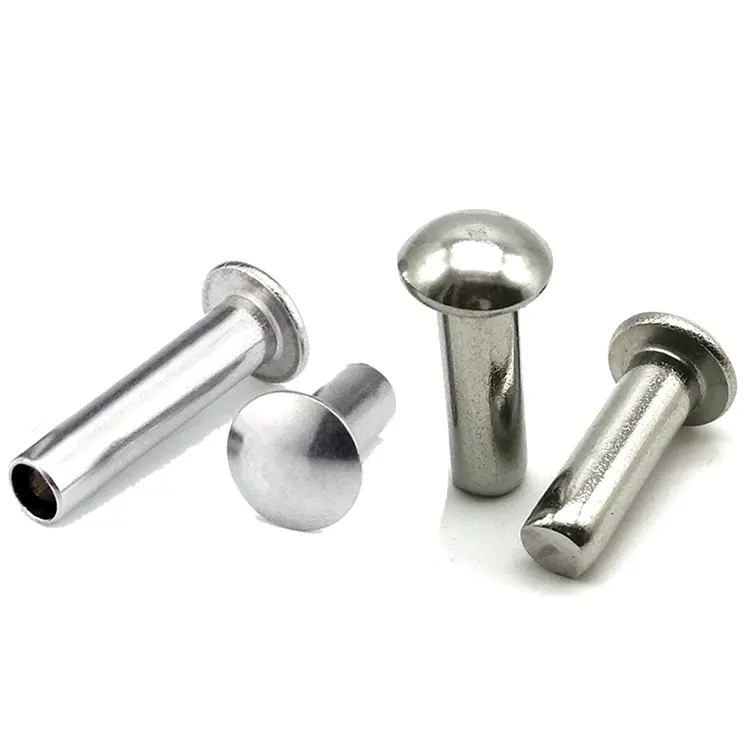
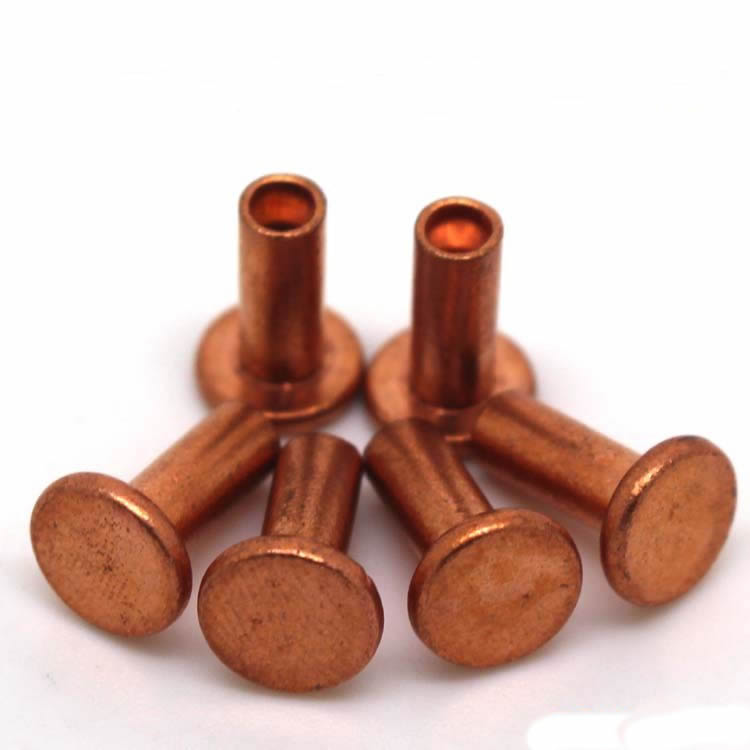
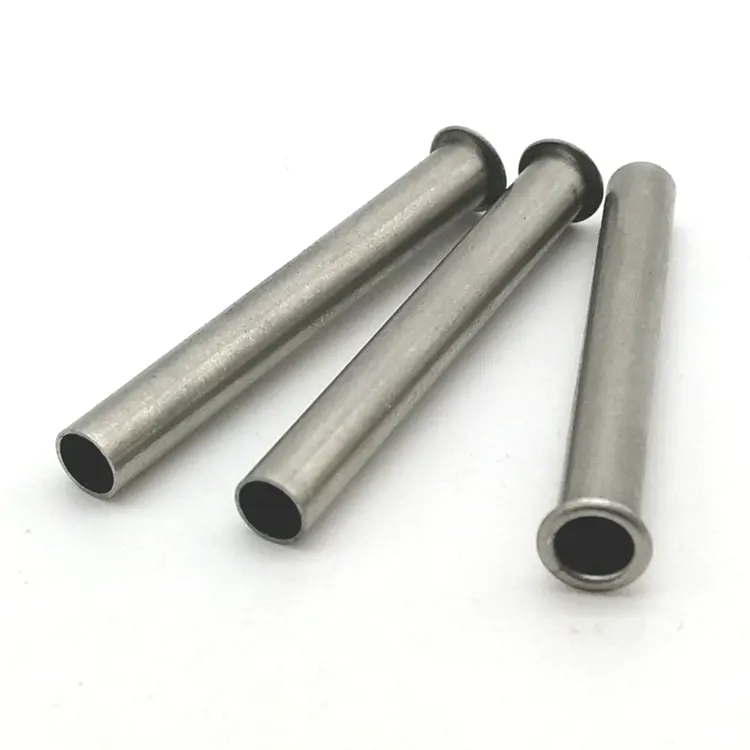
Klinknagels met ronde kop
Nuote Metals produceert klinknagels met ronde kop in massieve, semi-buisvormige en volledige buisvormige ontwerpen – de meest erkende en vertrouwde klinknagelkopstijl in industriële bevestiging. Verkrijgbaar in schachtdiameters van 1,5–8,0 mm, vijf materiaalfamilies en aangepaste lengtes. ISO-gecertificeerde kwaliteit, volledige traceerbaarheid en gratis monsters beschikbaar – neem contact met ons op om aan de slag te gaan.
Lees verderStuur onderzoek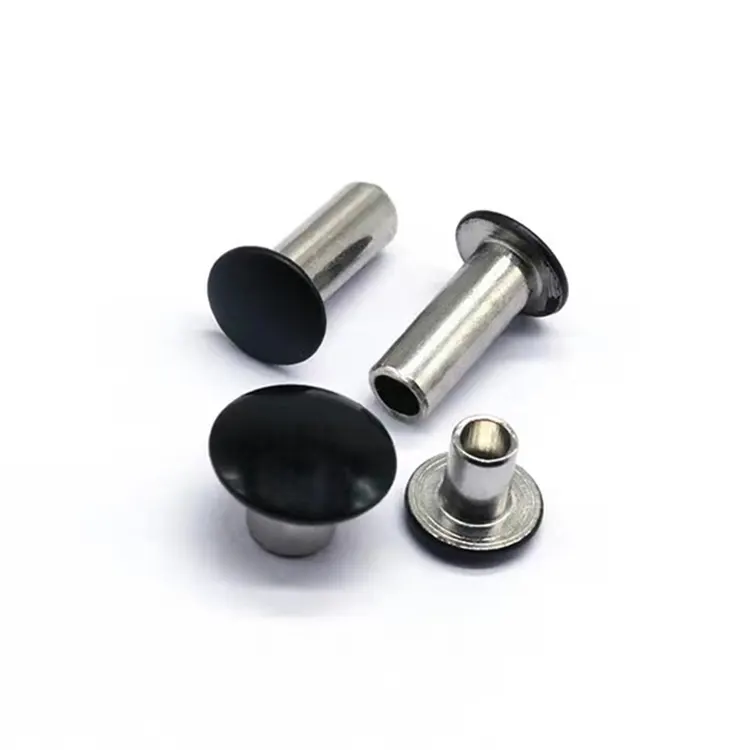
Gepoedercoate klinknagels
Gekleurde klinknagels, ook wel gepoedercoate klinknagels genoemd, worden gecoat met een poedercoating op de klinknagelkop door middel van een spuitlakproces op hoge temperatuur. De verf wordt gelijkmatig gedroogd om een niet-vervagende afwerking te garanderen. Dit type klinknagel vereist een hoog niveau van vaardigheid in bakvernis en nauwkeurige kleurafstemming. Na het klinken ontstaat er een consistente en mooie kleur, waardoor het decoratieve effect volledig wordt gerealiseerd.
Lees verderStuur onderzoek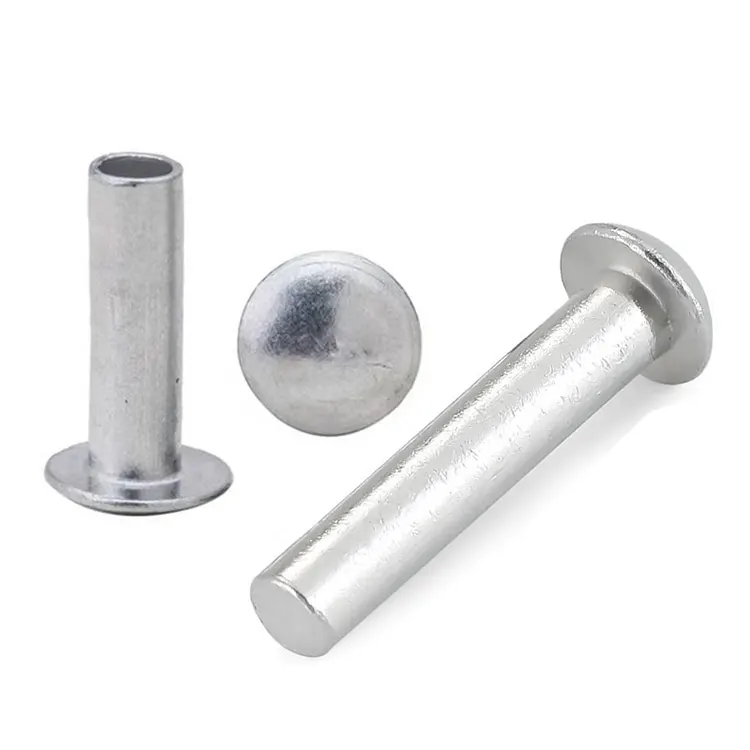
Pankopklinknagels
Nuote Metals produceert klinknagels met bolkop in massieve en halfbuisvormige ontwerpen – met een middelhoge koepel met een korte rechte zijwand die meer draagoppervlak biedt dan een ronde kop en meer kophoogte dan een platte kop. Verkrijgbaar in schachtdiameters van 1,5–8,0 mm, vijf materiaalfamilies en aangepaste lengtes. ISO-gecertificeerde kwaliteit, volledige traceerbaarheid en gratis monsters beschikbaar – neem contact met ons op om aan de slag te gaan.
Lees verderStuur onderzoek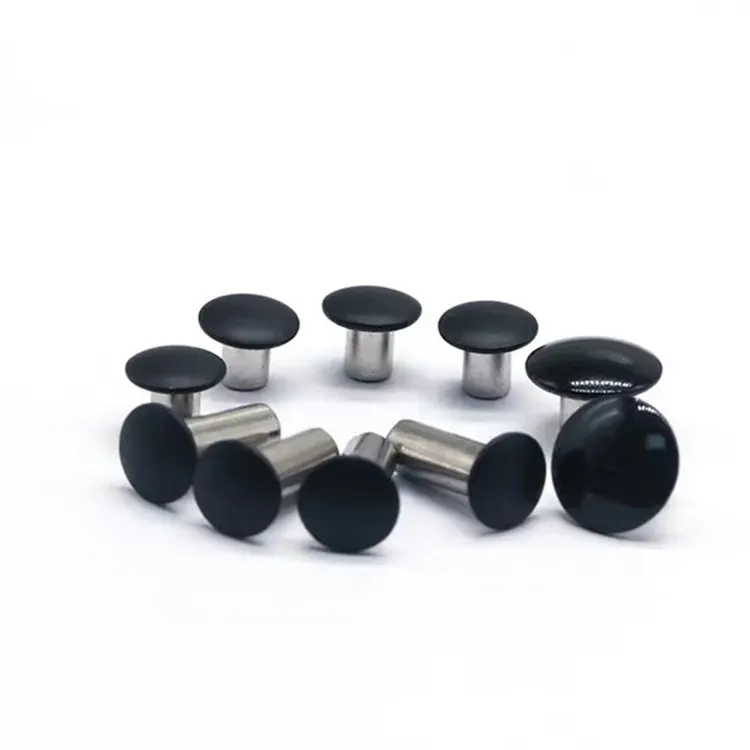
Geschilderde klinknagels
Gelakte klinknagels met een geverfde kop zijn zeer corrosiebestendig. De verflaag, doorgaans 15-25 micron dik, isoleert ze effectief tegen vocht en chemicaliën. Uit zoutsproeitests blijkt dat geverfde klinknagels meer dan 500 uur bestand zijn tegen roest, drie keer langer dan ongecoate klinknagels. Nuote Metals is gespecialiseerd in dit soort klinknagels, we zijn gevestigd in Dongguan, China.
Lees verderStuur onderzoek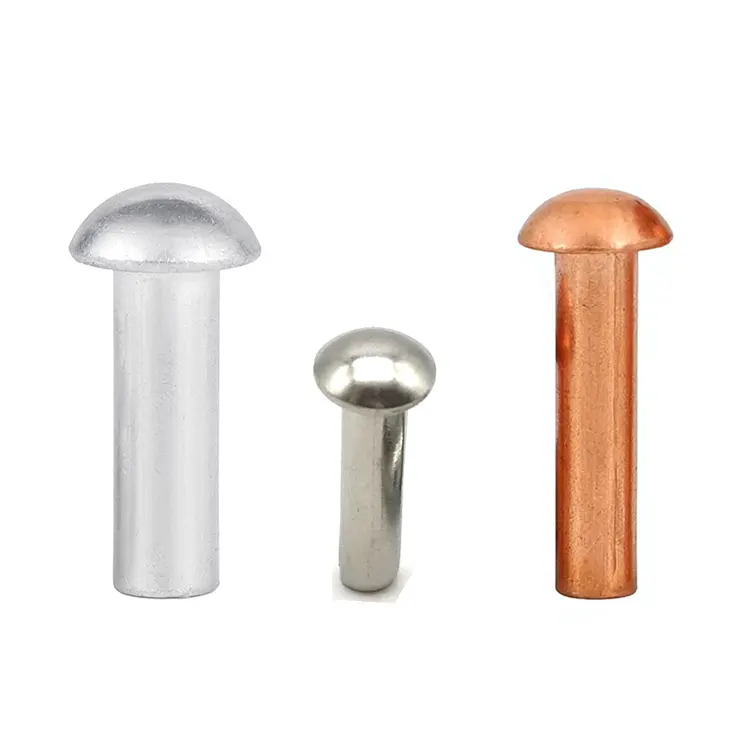
Paddestoelkopklinknagels
Nuote Metals is een in China gevestigde fabrikant van paddenstoelklinknagels in massieve en halfbuisvormige ontwerpen – met een brede, zacht afgeronde koepel die de belasting gelijkmatig verdeelt zonder in zachte materialen te snijden. Verkrijgbaar in schachtdiameters van 1,5–8,0 mm, vijf materiaalfamilies en aangepaste lengtes. ISO-gecertificeerde kwaliteit, volledige traceerbaarheid en gratis monsters beschikbaar – neem contact met ons op om aan de slag te gaan.
Lees verderStuur onderzoek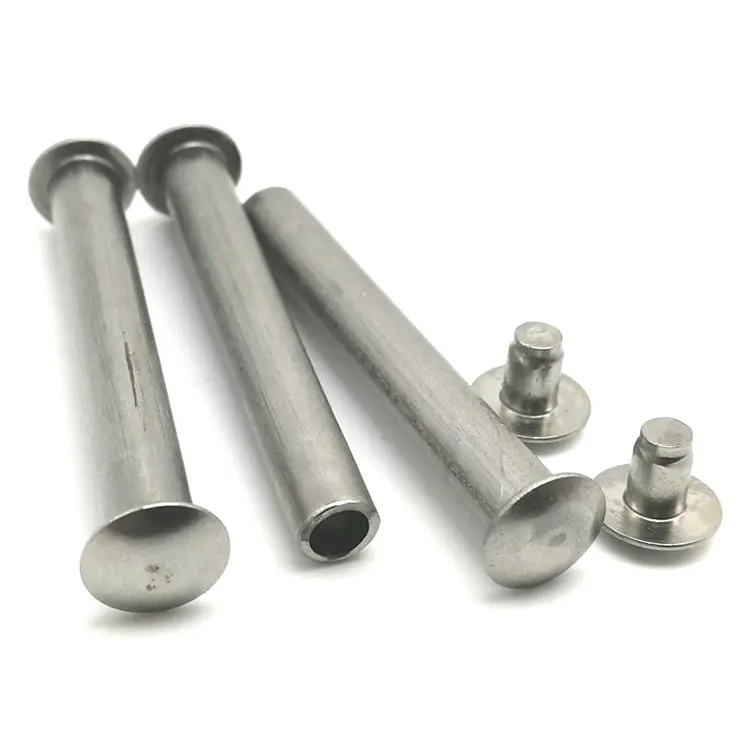
Mannelijke vrouwelijke klinknagels
Nuote Metals is een gespecialiseerde fabrikant van mannelijke vrouwelijke klinknagels in China. De voordelen van mannelijke vrouwelijke klinknagels zijn eenvoudige installatie en lage kosten. Vergeleken met andere verbindingsmethoden, zoals lassen of lijmen, vereisen mannelijke vrouwelijke klinknagels geen gespecialiseerde vaardigheden of lange uithardingstijden. De nadelen zijn echter ook aanzienlijk: de verbindingssterkte is beperkt, waardoor deze niet geschikt is voor omgevingen met hoge intensiteit of hoge trillingen. Na langdurig gebruik kunnen ze losraken, waardoor regelmatige inspectie nodig is.
Lees verderStuur onderzoekProductieproces van speciale klinknagels
Bij de productie van speciale klinknagels zijn meerdere schakels betrokken, waaronder voornamelijk:
1.Materiaalkeuze:Selecteer geschikte metalen of gelegeerde materialen afhankelijk van de gebruiksomgeving.
2.Koude koers of warme koers:Gebruik drukverwerking om de basisvorm van de klinknagel in de metalen plano te vormen.
3.Draaien of frezen:Verwerk de details, zoals de kop en de steel van de klinknagel, nauwkeurig om de maatnauwkeurigheid te garanderen.
4.Oppervlaktebehandeling:Zoals galvaniseren, vernikkelen, anodiseren, enz. om de corrosieweerstand of esthetiek te verbeteren.
Voordelen en beperkingen van speciale klinknagels
(1) Voordelen: Ze kunnen aan speciale behoeften voldoen, de montage-efficiëntie en de betrouwbaarheid van de verbinding verbeteren en zijn geschikt voor complexe of veeleisende toepassingsscenario's.
(2) Beperkingen: Omdat het om op maat gemaakte producten gaat, zijn de productiekosten hoog, is de leveringscyclus relatief lang en moeten klanten gedetailleerde technische parameters opgeven.
Hoe geschikte speciale klinknagels kiezen?
(1)Maak de behoeften duidelijk:Bepaal de belangrijkste parameters, zoals de gebruiksomgeving van de klinknagel, spanningsomstandigheden en vereisten voor corrosieweerstand.
(2)Materiaal passend:Selecteer het juiste materiaal op basis van de werkelijke behoeften om overontwerp te voorkomen dat tot hogere kosten leidt.
(3)Communiceren met leveranciers:Verstrek gedetailleerde technische tekeningen of monsters om ervoor te zorgen dat de geproduceerde speciale klinknagels aan de verwachtingen voldoen.
Wat zijn de belangrijkste toepassingen van speciale klinknagels?
(1)Lucht- en ruimtevaart: Vliegtuigen, raketten en andere apparatuur stellen extreem hoge eisen aan het gewicht, de sterkte en de hoge temperatuurbestendigheid van bevestigingsmiddelen. Speciale klinknagels kunnen worden geoptimaliseerd volgens specifieke behoeften.
(2)Automobielproductie:Voor bepaalde speciale modellen of krachtige voertuigen zijn mogelijk speciale klinknagels nodig om te voldoen aan de behoeften van lichtgewicht of zeer sterke verbindingen.
(3)Elektronische apparatuur:Precisie-instrumenten of kleine elektronische apparatuur vereisen mogelijk micro-speciale klinknagels om de stabiliteit en compactheid van de verbinding te garanderen.
(4)Bouwsector:Sommige speciaal gestructureerde gebouwen of decoratieprojecten kunnen speciale klinknagels gebruiken om aan specifieke installatievereisten te voldoen.
Marktstatus van speciale klinknagels
Met de vooruitgang van de industriële technologie zijn steeds meer industrieën speciale klinknagels gaan gebruiken om het productontwerp te optimaliseren. Momenteel zijn fabrikanten van speciale klinknagels voornamelijk geconcentreerd in de regio's Yangtze River Delta en Pearl River Delta in China, en kunnen ze een verscheidenheid aan op maat gemaakte diensten leveren. Vanwege de hoge prijs per eenheid van speciale klinknagels is de marktomvang relatief klein, maar de vraag op het gebied van hoogwaardige productie blijft groeien.
Toekomstige ontwikkelingstrends
(1)Lichtgewicht ontwerp: Met de verbetering van de eisen op het gebied van energiebesparing en milieubescherming zullen speciale klinknagels gemaakt van lichtgewicht materialen populairder worden.
(2)Intelligente productie: Geautomatiseerde apparatuur en digitaal beheer zullen de productie-efficiëntie en kwaliteitsstabiliteit van speciale klinknagels verder verbeteren.
(3)Bredere toepassing: Opkomende industrieën zoals nieuwe energie en robotica kunnen de groei van de vraag naar speciale klinknagels stimuleren.
Kortom, speciale klinknagels zijn sterk op maat gemaakte bevestigingsmiddelen die aan speciale behoeften kunnen voldoen waaraan standaard klinknagels niet kunnen voldoen. Hoewel de productiekosten relatief hoog zijn, speelt het een onvervangbare rol in industrieën zoals de lucht- en ruimtevaart, auto's en elektronica. In de toekomst, met de vooruitgang van de productietechnologie, wordt verwacht dat het toepassingsbereik van speciale klinknagels verder zal toenemen.



X
We gebruiken cookies om u een betere browse-ervaring te bieden, het siteverkeer te analyseren en de inhoud te personaliseren. Door deze site te gebruiken, gaat u akkoord met ons gebruik van cookies.
Privacybeleid