Klinknagels
Producten
- View as
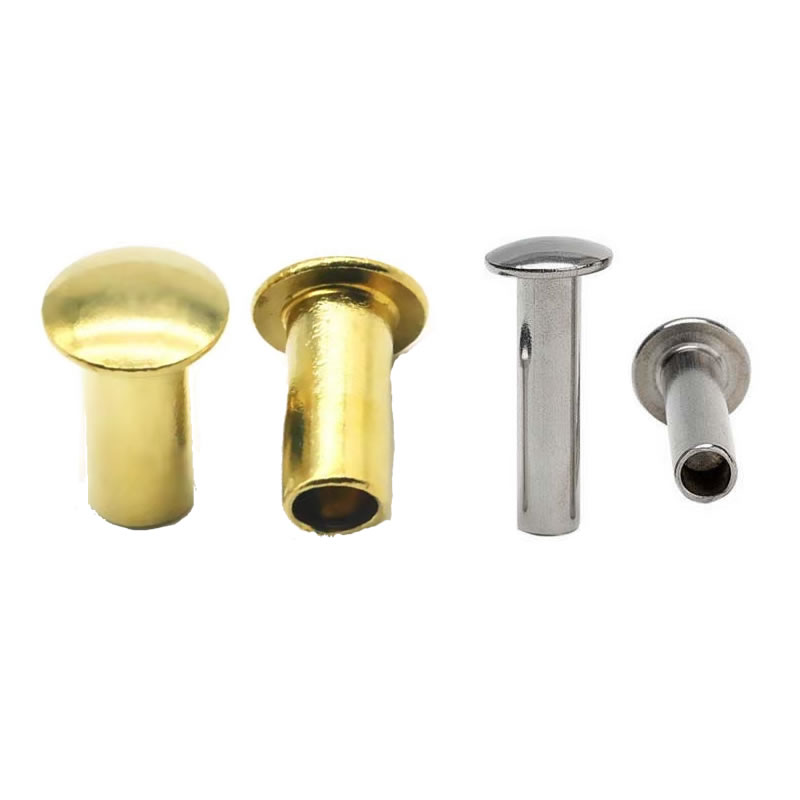
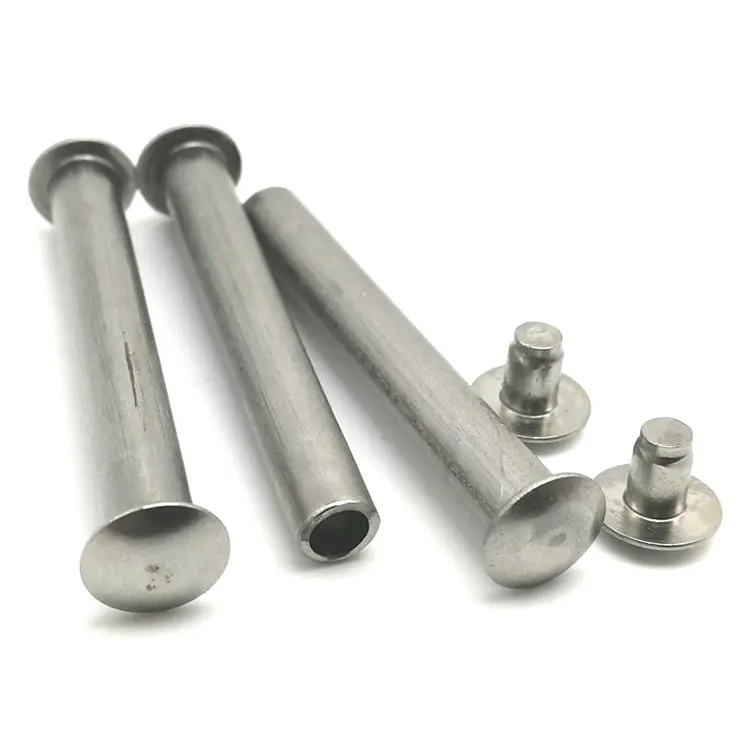
Universele kop semi-holle klinknagels
Bent u op zoek naar een klinknagel die geschikt is voor verschillende toepassingen? Vanuit onze fabriek in China produceert Nuote Metals op maat gemaakte halfholle klinknagels met universele kop. De subtiel gewelfde kop ligt vlak voor een strak uiterlijk en biedt toch voldoende oppervlaktedekking voor zachte materialen. Ideaal voor auto-versieringen, gereedschapshandvatten en leerambachten. Het halfbuisvormige ontwerp vermindert de instelkracht en maximaliseert de grijpkracht. Verkrijgbaar in messing, staal of roestvrij staal. Los meerdere bevestigingsbehoeften op met één veelzijdige klinknagel. Vertrouw op ons voor constante kwaliteit en snelle doorlooptijd.
Lees verderStuur onderzoek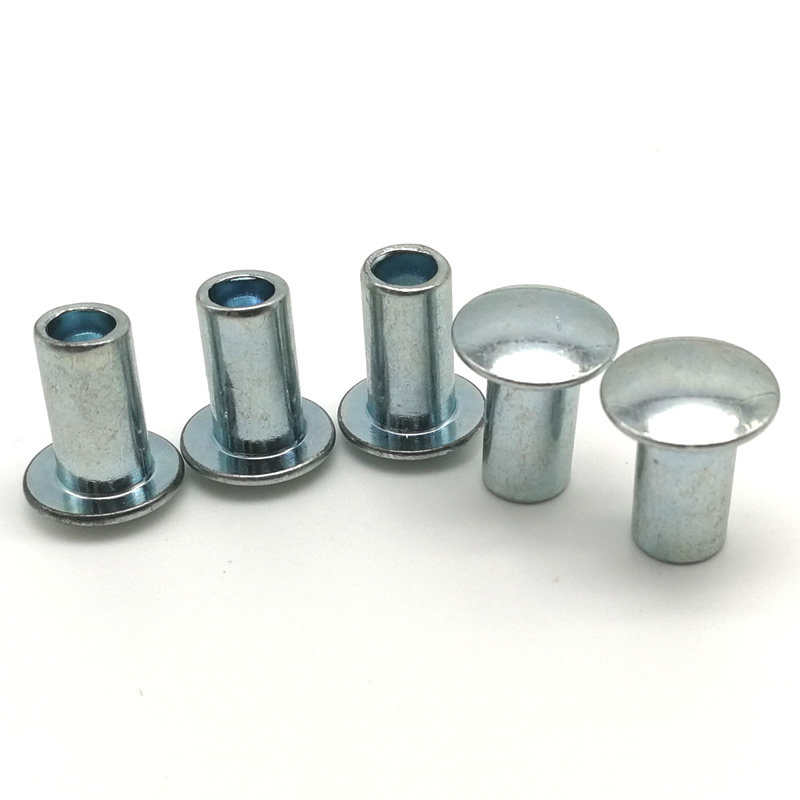
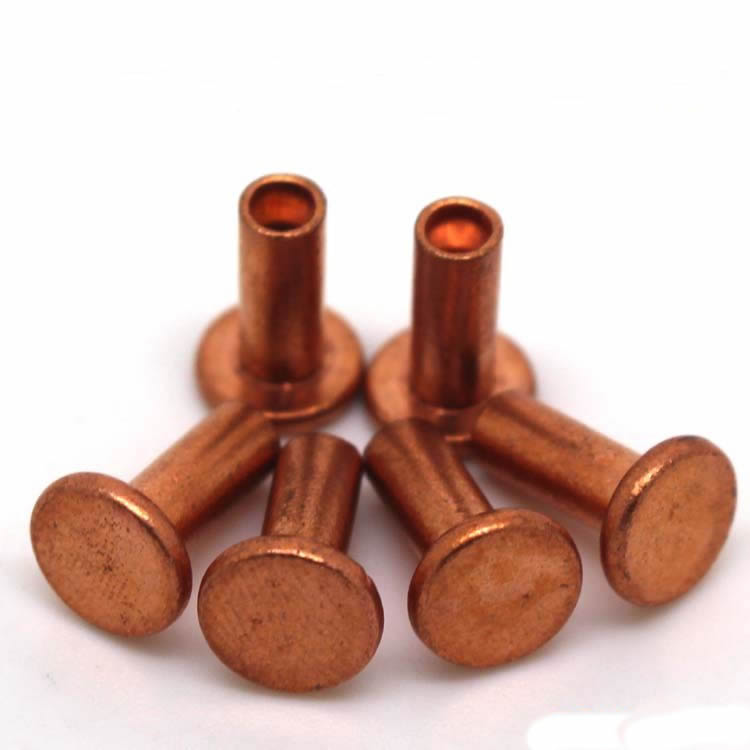
Trusskop halve buisvormige klinknagels
Voor een brede, onopvallende bevestigingsoplossing biedt Nuote Metals uit China op maat gemaakte halve buisvormige klinknagels met spankop. De brede kop verdeelt de druk gelijkmatig, waardoor doortrekken op zachte materialen zoals plastic, leer of dun plaatstaal wordt voorkomen. Ideaal voor auto-interieurs, bagage en elektrische behuizingen. Het halfbuisvormige ontwerp hardt snel uit met minimale kracht, waardoor montagetijd wordt bespaard. Verkrijgbaar in meerdere materialen. Los oppervlakteschade en zwakke houvasten op. Vertrouw op onze fabriek voor precisieklinknagels die betrouwbare, duurzame resultaten opleveren.
Lees verderStuur onderzoek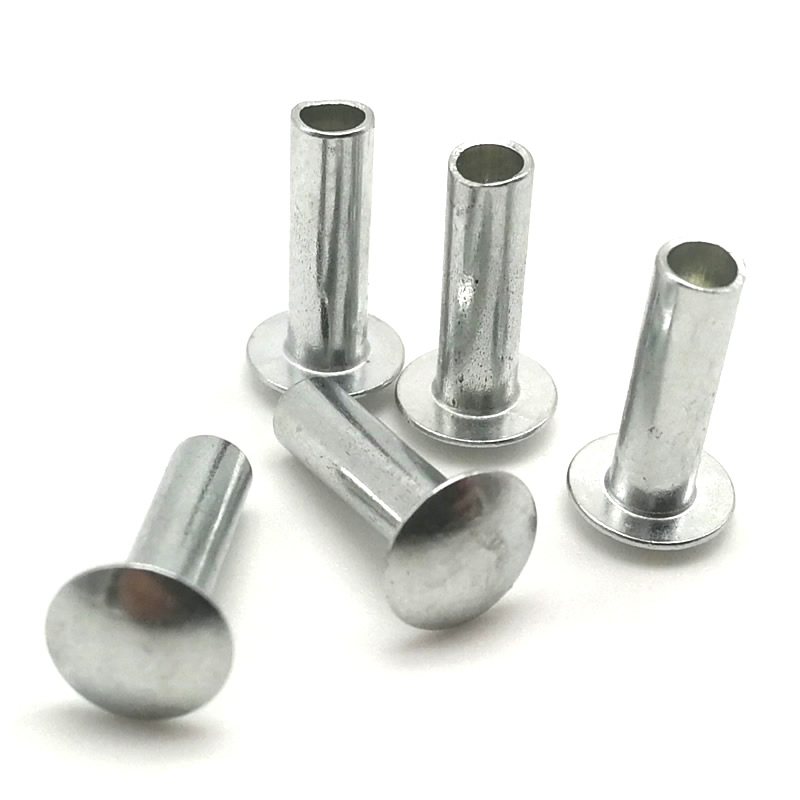
Universele kop halve buisvormige klinknagels
Veelzijdige bevestiging nodig? Nuote Metals uit China, een betrouwbare fabriek, produceert op maat gemaakte halfbuisvormige klinknagels met universele kop. De koepelvormige kop met laag profiel is geschikt voor zowel verzonken als oppervlaktetoepassingen, van autopanelen tot bagagehandvatten. Het halfbuisvormige lichaam loopt gemakkelijk uit voor een veilige grip zonder zware kracht. Verkrijgbaar in staal, messing of roestvrij staal. Los inconsistente montage op met klinknagels die zich aanpassen aan uw ontwerp. Vertrouw op ons voor duurzame, met precisie gemaakte componenten die de productie stroomlijnen.
Lees verderStuur onderzoek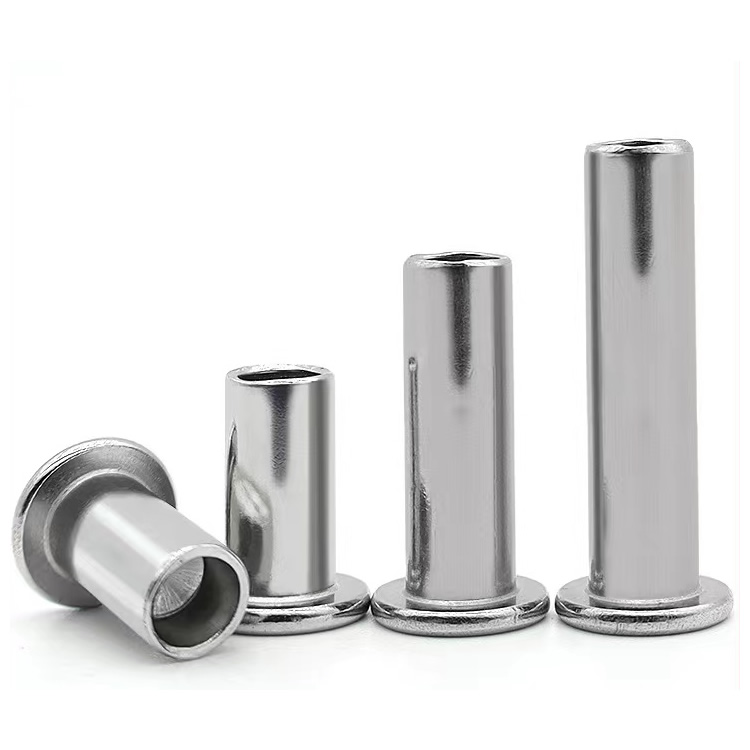
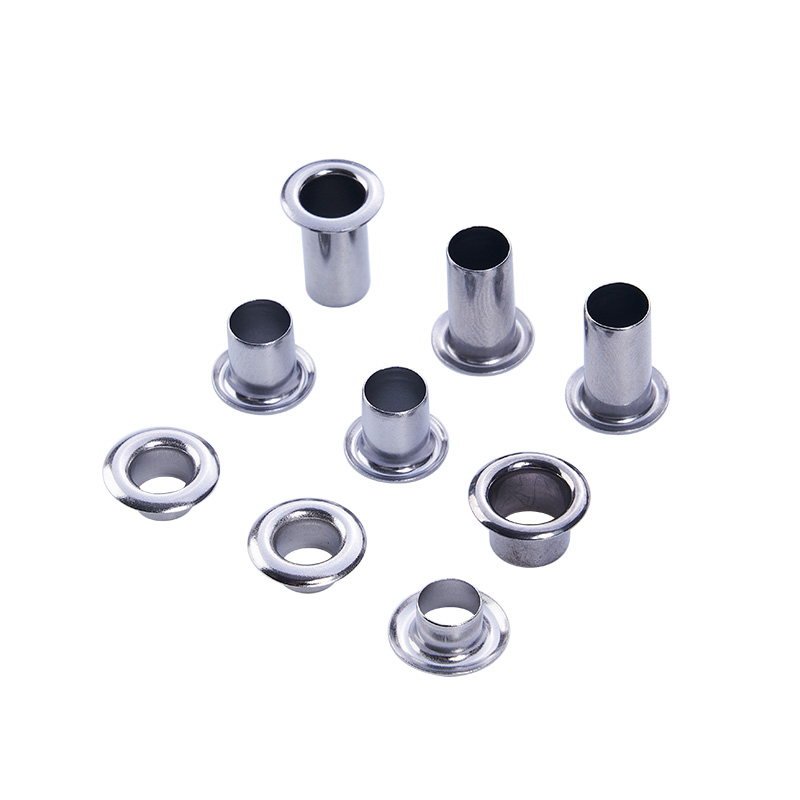
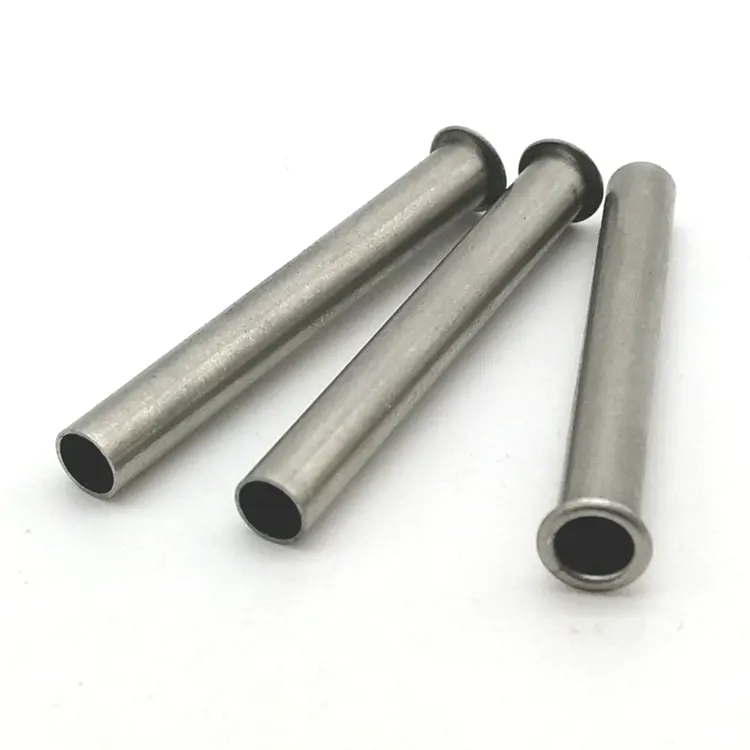
Halve buisvormige klinknagels van roestvrij staal
Op zoek naar betrouwbare RVS halfbuis klinknagels? Nuote Metals uit China biedt op maat gemaakte oplossingen voor automobiel-, maritieme en industriële assemblages. Het halfbuisvormige ontwerp loopt soepel uit voor een veilige grip zonder overmatige kracht, waardoor montagetijd wordt bespaard. De roestvrijstalen constructie is bestand tegen roest en corrosie, waardoor langdurige prestaties worden gegarandeerd, zelfs in vochtige omstandigheden of buitenomstandigheden. Perfect voor fabrikanten die een consistente, sterke bevestiging nodig hebben voor scharnieren, handgrepen of lederwaren. Zeg vaarwel tegen losse gewrichten en voortijdig falen. Onze fabriek garandeert nauwkeurige afmetingen en gepolijste afwerkingen. Vertrouw op ons voor duurzame klinknagels die net zo hard werken als uw apparatuur.
Lees verderStuur onderzoek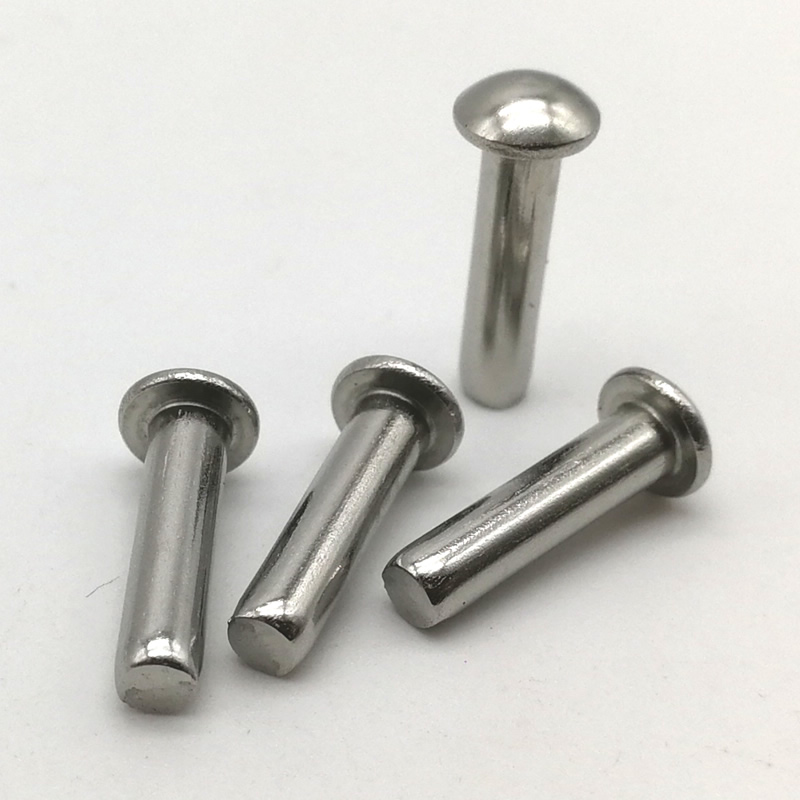
SUS316 klinknagels
Nuote Metals uit China, een vertrouwde fabrikant, biedt op maat gemaakte SUS316-klinknagels voor maritieme en chemische omgevingen. In tegenstelling tot standaard roestvrij staal is SUS316 bestand tegen zout water en chloriden, waardoor roest en spleetcorrosie worden voorkomen. Ideaal voor botenbouw, dokken en buitenconstructies. Los voortijdig falen op met onze precisieklinknagels. Vertrouw op de fabrikant voor duurzame sterkte die zware omstandigheden doorstaat.
Lees verderStuur onderzoek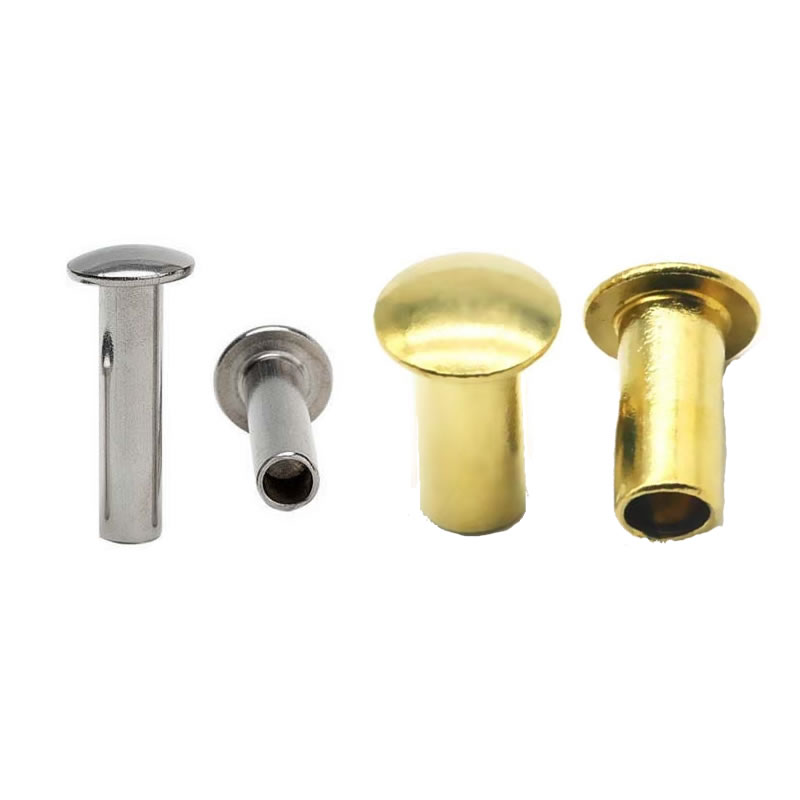
Halve buisvormige klinknagels met ronde kop
Als Chinese fabrikant produceert Nuote Metals op maat gemaakte halfbuisvormige klinknagels met ronde kop. De gladde koepelkop biedt een strakke afwerking, terwijl het halfbuisvormige lichaam gemakkelijk uitloopt voor een veilige grip bij leer-, bagage- en autoreparaties. Bespaar montagetijd en elimineer losse verbindingen. Vertrouw op onze fabriek voor duurzame, nauwkeurig gemaakte klinknagels die uw bevestigingsuitdagingen oplossen.
Lees verderStuur onderzoekWat zijn de voordelen van klinknagels ten opzichte van andere bevestigingsmiddelen?
1. Installatiegemak
Klinknagels zijn snel te installeren en zelfs volledig geautomatiseerd voor toepassingen met grote volumes, wat resulteert in een eenvoudig en efficiënt bedieningsproces.
2. Betrouwbaarheid van de verbinding
Het klinkproces is gestandaardiseerd, met strikte kwaliteitscontrole, wat resulteert in zeer stabiele verbindingen. Visuele inspectie maakt een snelle verificatie van de verbindingskwaliteit mogelijk.
3. Trillings- en slagvastheid
Klinknagels verbinden zich door vervorming of interferentiepassing, wat een sterke klemkracht en uitstekende trillingsweerstand oplevert, die trillingen en schokken kan weerstaan.
4. Lage kosten
Klinknagels zijn eenvoudig te installeren en kunnen volledig worden geautomatiseerd, waardoor aanzienlijke arbeidskosten worden bespaard.
Wat zijn de voor- en nadelen van klinknagels gemaakt van verschillende materialen?
Aluminium klinknagels
Voordelen: Lichtgewicht, vermindert het totale productgewicht, lage kosten, geschikt voor algemene civiele toepassingen.
Nadelen: Lage trek- en schuifsterkte, ongeschikt voor werkstukken met hoge sterkte, gevoelig voor elektrochemische corrosie bij contact met metalen zoals roestvrij staal.
Roestvrijstalen klinknagels
Voordelen: Sterke corrosieweerstand, hoge hardheid, geschikt voor werkstukken met hoge sterkte (zoals uitrusting van zeeschepen)
Nadelen: Hogere kosten, doorgaans duurder dan aluminium klinknagels met dezelfde specificatie.
Messing en koperen klinknagels
Voordelen: Uitstekende geleiding (zoals het aansluiten van elektronische componenten), goede corrosiebestendigheid.
Nadelen: hogere kosten, moeilijker te verwerken.
Stalen klinknagels
Voordelen: Hoge hardheid, hoge verbindingsbetrouwbaarheid en brede toepasbaarheid.
Nadelen: Vergeleken met andere materialen zijn ijzeren klinknagels gevoeliger voor roesten.
Wat zijn de belangrijkste toepassingen van klinknagels?
Klinknagels hebben een breed scala aan toepassingen, van kleine voorwerpen zoals een schaar tot grote voorwerpen zoals vliegtuigen en schepen, maar ook in medische toepassingen met hoge precisie.
Industriële productie
Klinknagels worden in een grote verscheidenheid aan industriële gebieden gebruikt, waar het nodig is om twee of meer materialen met elkaar te verbinden.
Elektronica
Klinknagels bevestigen koellichamen en chips en zorgen voor zowel trillingsdemping als geluidsreductie, en worden veel gebruikt in de koelsystemen van elektronische producten zoals computers en mobiele telefoons.
Automobiel
Klinknagels worden veel gebruikt om onderdelen van autocarrosserieën en chassis, zoals deuren en motorkappen, met elkaar te verbinden. Hun lichtgewicht en corrosiebestendige eigenschappen maken ze tot een onmisbare verbindingsmethode in de automobielindustrie.
Lucht- en ruimtevaart
In de vliegtuigbouw worden klinknagels gebruikt om verschillende rompcomponenten, zoals vleugels en staartvlakken, met elkaar te verbinden. Miljoenen klinknagels zorgen voor zeer sterke, corrosiebestendige verbindingen. Klinknagels van aluminium en titaniumlegeringen worden vaak gebruikt om componenten van overeenkomstige materialen met elkaar te verbinden, waardoor stabiliteit in extreme omgevingen wordt gegarandeerd.
Klinknagels worden overal gebruikt. De bovenstaande voorbeelden vertegenwoordigen slechts een klein aantal van hun toepassingen. We zien klinknagels overal in ons dagelijks leven, zoals op scharen, opklapbedden en kinderwagens enz. Klinknagels kunnen worden aangepast aan verschillende maten en materialen, afhankelijk van de toepassing.
Nuote Metals is al meer dan tien jaar gespecialiseerd in de klinknagelindustrie. Onze fabriek is gevestigd in Dongguan, een stad die bekend staat als de 'World Factory', een stad met een ontwikkelde industrie en gemakkelijk transport. Hierdoor kunnen we snel reageren bij het verwerven van grondstoffen en het ondersteunen van oppervlaktebehandelingen, en voldoen we aan de behoefte van onze klanten aan snelle toegang tot monsters en bulkbestellingen. We produceren dagelijks 10 miljoen klinknagels en beschikken over mallen met verschillende specificaties, waardoor we klinknagels kunnen produceren die zo klein zijn als 0,8 mm en zo groot als 10 mm. Wij zijn blij met uw vragen en bezoeken.



X
We gebruiken cookies om u een betere browse-ervaring te bieden, het siteverkeer te analyseren en de inhoud te personaliseren. Door deze site te gebruiken, gaat u akkoord met ons gebruik van cookies.
Privacybeleid