Klinknagels
Producten
- View as
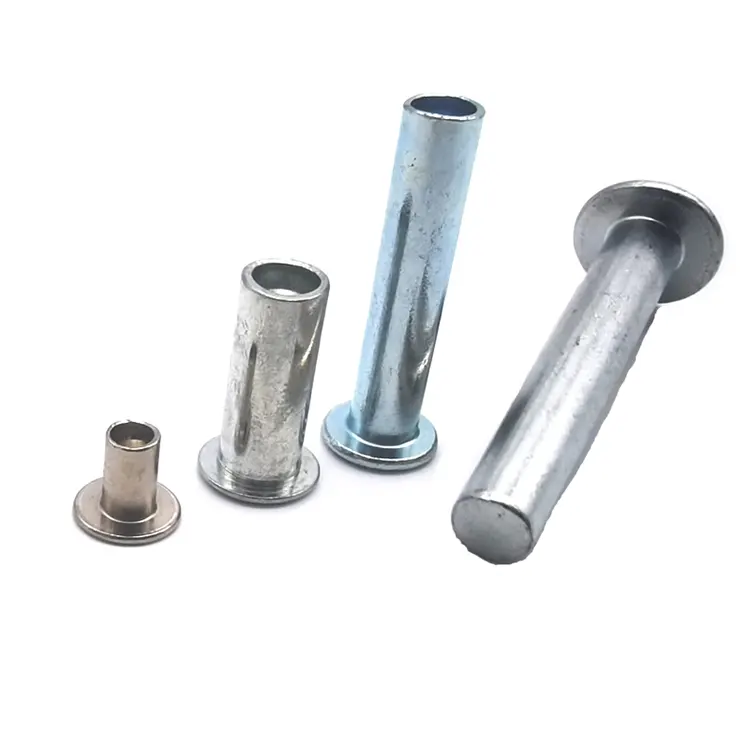
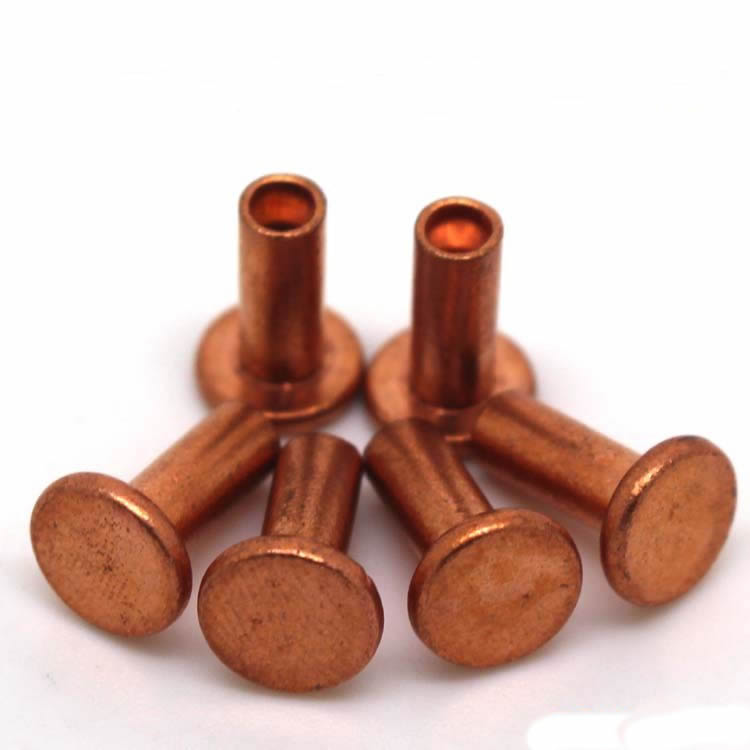
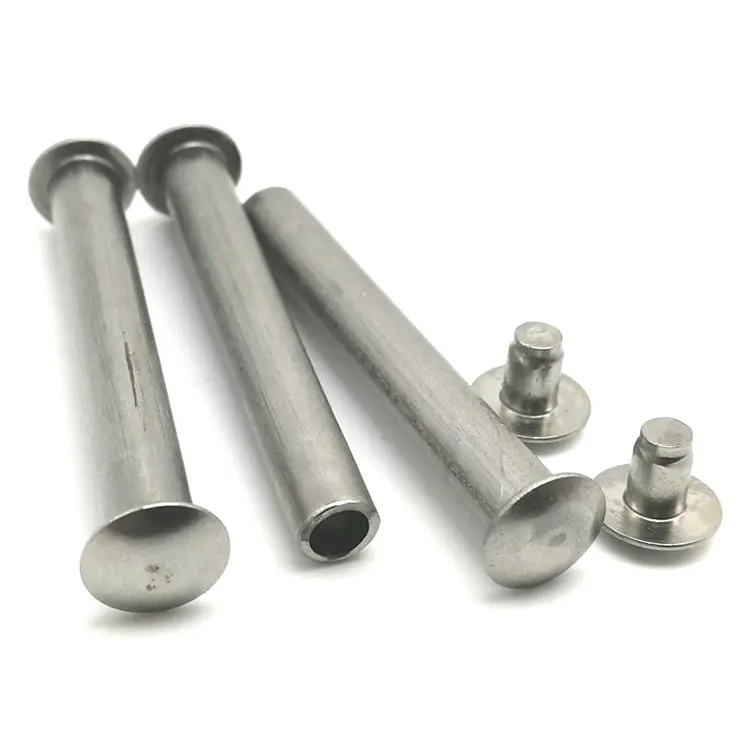
Ijzeren klinknagels
Nuote Metals produceert ijzeren klinknagels in massieve, semi-buisvormige en volledige buisvormige ontwerpen – en levert de beste combinatie van sterkte en zuinigheid op het gebied van industriële bevestiging. Verkrijgbaar in schachtdiameters van 1,5–8,0 mm met verzinkte of zwarte oxideafwerking.
Lees verderStuur onderzoek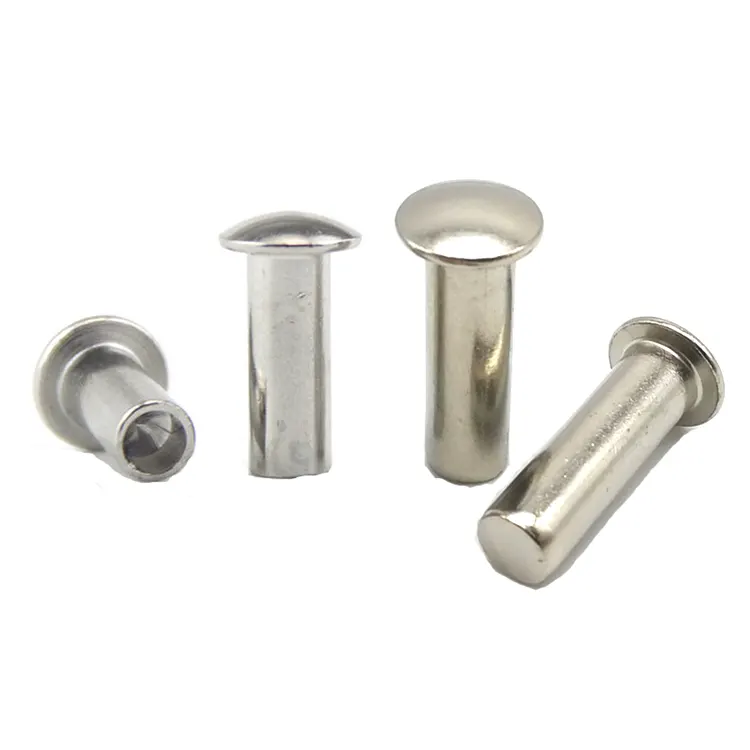
IJzeren pankopklinknagels
IJzeren platkopklinknagels zijn met hun lichtgewicht, corrosiebestendige en esthetisch aantrekkelijke eigenschappen veelzijdige allrounders in de industriële productie geworden. Of het nu gaat om gewichtskritische toepassingen of het dagelijks leven, ijzeren klinknagels met bolkop bieden uitzonderlijke prestaties en betrouwbaarheid. Welkom bij Nuote Metals in Dongguan, China, specialist in deze klinknagels. Wij bieden hoogwaardige producten met gegarandeerde levering. Wij vervaardigen ook andere hardwareaccessoires, zoals oogjes, machinaal bewerkte onderdelen en gestempelde onderdelen.
Lees verderStuur onderzoek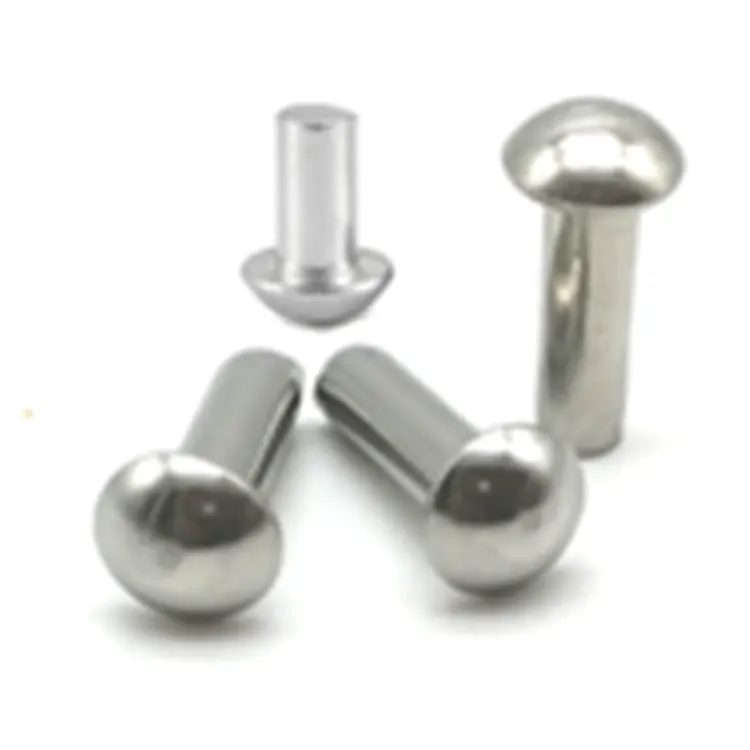
IJzeren paddestoelkopklinknagels
Nuote Metals is een professionele klinknagelfabrikant gevestigd in Dongguan, China. Onze ijzeren paddestoelkopklinknagels hebben, zoals de naam al doet vermoeden, een paddestoelvormige kop met een halfholle of massieve kern. De kop is doorgaans groter en biedt een goed draagoppervlak. Deze structuur maakt vervorming tijdens de installatie mogelijk, hetzij door extrusie of door gespecialiseerd gereedschap, om twee of meer materialen veilig met elkaar te verbinden. Ze zijn gemaakt van ijzer en zijn meestal gegalvaniseerd of behandeld met andere afwerkingen voor corrosiebestendigheid.
Lees verderStuur onderzoek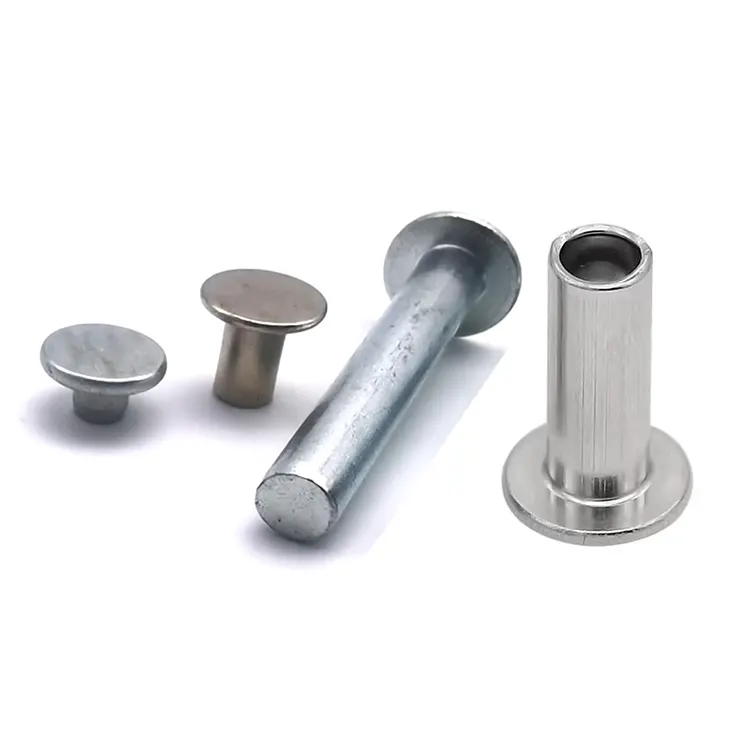
IJzeren klinknagels met platte kop
Als gewone mechanische connector nemen ijzeren klinknagels met platte kop een belangrijke positie in op meerdere industriële gebieden vanwege hun ontwerpkenmerken en een breed scala aan toepassingen. Structureel is de klinknagelkop plat, schijfvormig en het lichaam cilindrisch. Het uiteinde is speciaal bewerkt om een verstoorde structuur te vormen. Na installatie zorgt druk of impact ervoor dat het lichaam uitzet, waardoor een mechanische verbinding met de gatwand ontstaat om een strak effect te bereiken. Vergeleken met klinknagels met ronde kop of klinknagels met verzonken kop heeft het ontwerp met platte kop aanzienlijke voordelen wat betreft krachtverdeling en contactoppervlak. Wanneer het bijvoorbeeld wordt blootgesteld aan schuifkracht, kan de schijfvormige kop de belasting over een groter gebied verspreiden, waardoor de druk per oppervlakte-eenheid effectief wordt verminderd.
Lees verderStuur onderzoek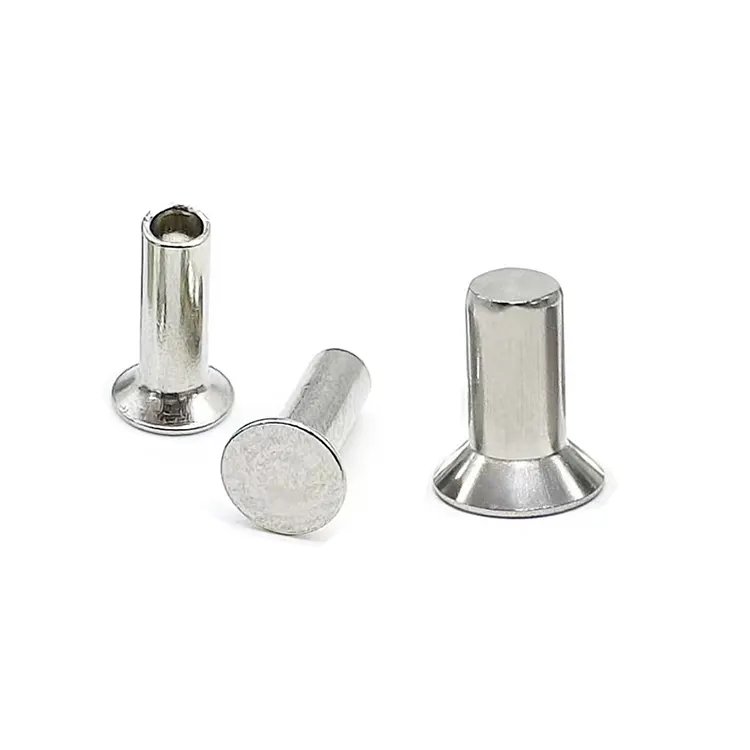
IJzeren klinknagels met verzonken kop
De kop van ijzeren klinknagels met verzonken kop heeft de vorm van een afgeknotte kegel, waarbij de kegel doorgaans een hoek van 90 ° of 120 ° maakt ten opzichte van de as van de klinknagel. Door deze vorm kan de kop van de klinknagel na installatie gelijk liggen met het oppervlak van het verbonden onderdeel, wat resulteert in een glad uiterlijk. Dit is met name geschikt voor toepassingen waarbij de vlakheid van het oppervlak van cruciaal belang is. Kom naar Nuote Metals om uw gewenste ijzeren klinknagel met verzonken kop op maat te maken. Onze ingenieurs, met meer dan 10 jaar ervaring, zijn zeer vertrouwd met de productie van diverse klinknageltypes.
Lees verderStuur onderzoek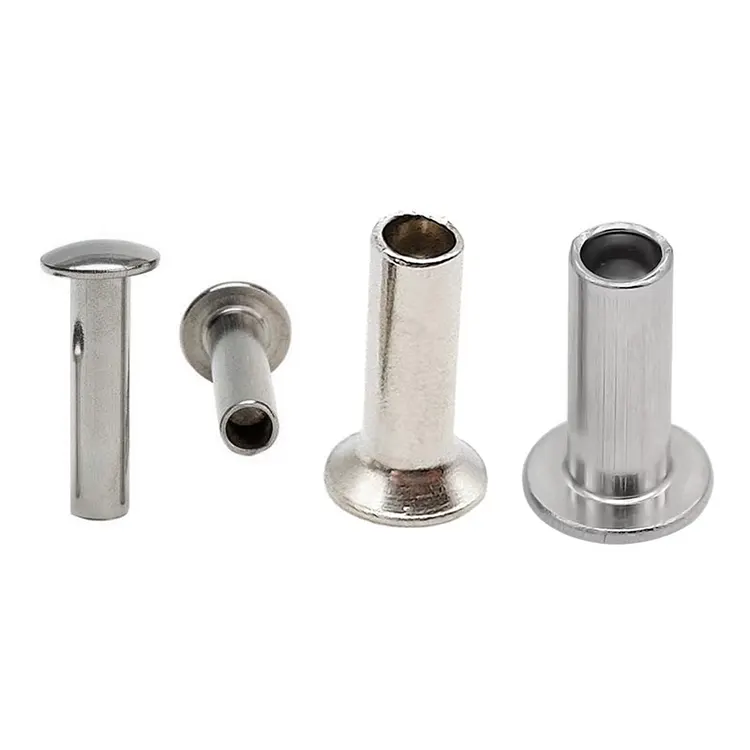
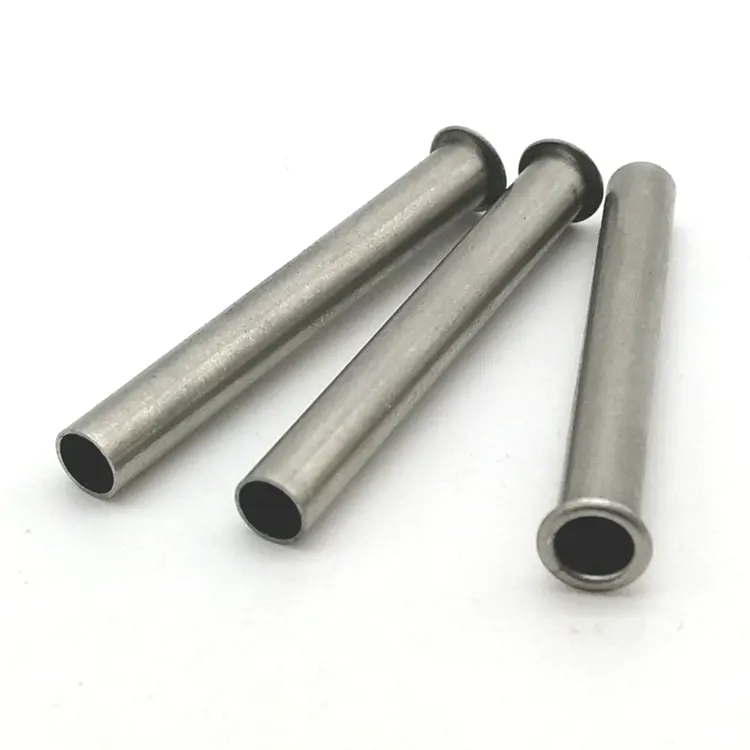
Halve buisvormige klinknagels
Nuote Metals is een in China gevestigde fabrikant van halfbuisvormige klinknagels – het productievriendelijke alternatief voor massieve klinknagels dat de zetkracht tot 70% vermindert terwijl de sterkte van de massieve klinknagels 80-90% behouden blijft. Verkrijgbaar in schachtdiameters van 1,5–8,0 mm, vijf materiaalfamilies, meerdere kopstijlen en aangepaste lengtes. ISO-gecertificeerde kwaliteit, volledige traceerbaarheid en gratis monsters beschikbaar – neem contact met ons op om aan de slag te gaan.
Lees verderStuur onderzoekWat zijn de voordelen van klinknagels ten opzichte van andere bevestigingsmiddelen?
1. Installatiegemak
Klinknagels zijn snel te installeren en zelfs volledig geautomatiseerd voor toepassingen met grote volumes, wat resulteert in een eenvoudig en efficiënt bedieningsproces.
2. Betrouwbaarheid van de verbinding
Het klinkproces is gestandaardiseerd, met strikte kwaliteitscontrole, wat resulteert in zeer stabiele verbindingen. Visuele inspectie maakt een snelle verificatie van de verbindingskwaliteit mogelijk.
3. Trillings- en slagvastheid
Klinknagels verbinden zich door vervorming of interferentiepassing, wat een sterke klemkracht en uitstekende trillingsweerstand oplevert, die trillingen en schokken kan weerstaan.
4. Lage kosten
Klinknagels zijn eenvoudig te installeren en kunnen volledig worden geautomatiseerd, waardoor aanzienlijke arbeidskosten worden bespaard.
Wat zijn de voor- en nadelen van klinknagels gemaakt van verschillende materialen?
Aluminium klinknagels
Voordelen: Lichtgewicht, vermindert het totale productgewicht, lage kosten, geschikt voor algemene civiele toepassingen.
Nadelen: Lage trek- en schuifsterkte, ongeschikt voor werkstukken met hoge sterkte, gevoelig voor elektrochemische corrosie bij contact met metalen zoals roestvrij staal.
Roestvrijstalen klinknagels
Voordelen: Sterke corrosieweerstand, hoge hardheid, geschikt voor werkstukken met hoge sterkte (zoals uitrusting van zeeschepen)
Nadelen: Hogere kosten, doorgaans duurder dan aluminium klinknagels met dezelfde specificatie.
Messing en koperen klinknagels
Voordelen: Uitstekende geleiding (zoals het aansluiten van elektronische componenten), goede corrosiebestendigheid.
Nadelen: hogere kosten, moeilijker te verwerken.
Stalen klinknagels
Voordelen: Hoge hardheid, hoge verbindingsbetrouwbaarheid en brede toepasbaarheid.
Nadelen: Vergeleken met andere materialen zijn ijzeren klinknagels gevoeliger voor roesten.
Wat zijn de belangrijkste toepassingen van klinknagels?
Klinknagels hebben een breed scala aan toepassingen, van kleine voorwerpen zoals een schaar tot grote voorwerpen zoals vliegtuigen en schepen, maar ook in medische toepassingen met hoge precisie.
Industriële productie
Klinknagels worden in een grote verscheidenheid aan industriële gebieden gebruikt, waar het nodig is om twee of meer materialen met elkaar te verbinden.
Elektronica
Klinknagels bevestigen koellichamen en chips en zorgen voor zowel trillingsdemping als geluidsreductie, en worden veel gebruikt in de koelsystemen van elektronische producten zoals computers en mobiele telefoons.
Automobiel
Klinknagels worden veel gebruikt om onderdelen van autocarrosserieën en chassis, zoals deuren en motorkappen, met elkaar te verbinden. Hun lichtgewicht en corrosiebestendige eigenschappen maken ze tot een onmisbare verbindingsmethode in de automobielindustrie.
Lucht- en ruimtevaart
In de vliegtuigbouw worden klinknagels gebruikt om verschillende rompcomponenten, zoals vleugels en staartvlakken, met elkaar te verbinden. Miljoenen klinknagels zorgen voor zeer sterke, corrosiebestendige verbindingen. Klinknagels van aluminium en titaniumlegeringen worden vaak gebruikt om componenten van overeenkomstige materialen met elkaar te verbinden, waardoor stabiliteit in extreme omgevingen wordt gegarandeerd.
Klinknagels worden overal gebruikt. De bovenstaande voorbeelden vertegenwoordigen slechts een klein aantal van hun toepassingen. We zien klinknagels overal in ons dagelijks leven, zoals op scharen, opklapbedden en kinderwagens enz. Klinknagels kunnen worden aangepast aan verschillende maten en materialen, afhankelijk van de toepassing.
Nuote Metals is al meer dan tien jaar gespecialiseerd in de klinknagelindustrie. Onze fabriek is gevestigd in Dongguan, een stad die bekend staat als de 'World Factory', een stad met een ontwikkelde industrie en gemakkelijk transport. Hierdoor kunnen we snel reageren bij het verwerven van grondstoffen en het ondersteunen van oppervlaktebehandelingen, en voldoen we aan de behoefte van onze klanten aan snelle toegang tot monsters en bulkbestellingen. We produceren dagelijks 10 miljoen klinknagels en beschikken over mallen met verschillende specificaties, waardoor we klinknagels kunnen produceren die zo klein zijn als 0,8 mm en zo groot als 10 mm. Wij zijn blij met uw vragen en bezoeken.


X
We gebruiken cookies om u een betere browse-ervaring te bieden, het siteverkeer te analyseren en de inhoud te personaliseren. Door deze site te gebruiken, gaat u akkoord met ons gebruik van cookies.
Privacybeleid